



Best Skincare Products For Pregnancy
Regardless of pregnancy status, everyone is entitled to skincare that leaves you healthier than before. Thankfully, due to constant innovations and research from within the industry, there are products that are going to be a woman’s best friend during that initial period of motherhood.
Pregnancy is an incredible journey filled with exciting changes, but it can also bring about changes to your skin that require extra care and attention. Whether you're experiencing the "pregnancy glow" or dealing with common concerns like acne or dryness, finding the right skincare products is essential to keep your skin healthy and radiant during these tumultuous nine months.
In the world of pregnancy-safe skincare, there are ingredients to embrace and ones to avoid, as well as numerous tips for crafting a gentle yet effective skincare routine that prioritizes the well-being of both you and your little one.
While there may be some new products and ingredients you will have to say goodbye to momentarily, there are bound to be some you may have never heard of that are just as beneficial as substitutes.
Can you use Vitamin C serums while pregnant?
While using Vitamin C serums during pregnancy can be safe for many individuals, it's best to consult your healthcare provider before starting any new skincare or dietary regimen while pregnant. They can provide personalized advice based on your specific health and circumstances.
Vitamin C derivatives and pure Vitamin C (ascorbic acid) are considered safe during pregnancy when applied topically in skincare products, including serums. It can help with several skin concerns like hyperpigmentation and provide antioxidant benefits. However, some individuals may have sensitive skin, and it's possible to experience irritation or allergies to specific skincare ingredients.
Oral Vitamin C supplements are typically safe for maintaining daily intake. However, high-dose supplements should be taken only with medical guidance.
Is hyaluronic acid safe to use while pregnant?
Hyaluronic acid is known for its hydrating properties and is considered safe for pregnancy. It's naturally occurring in the body and does not pose known risks.
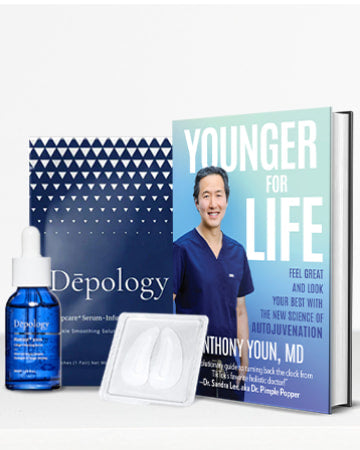
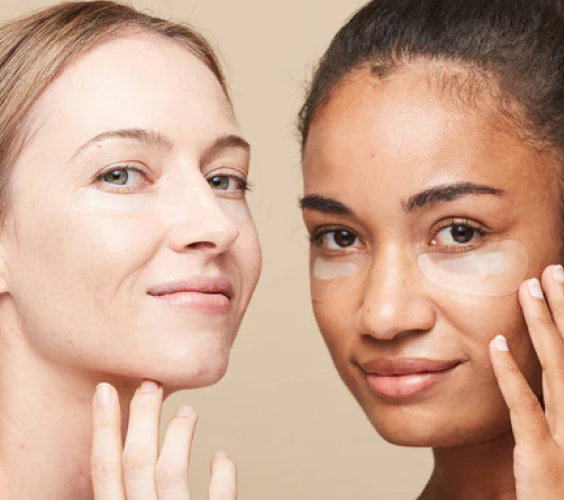
Our Pick: Deepcare+ Serum-Infused Micro Dart Patches
What are pregnancy-safe skincare products?
Pregnancy-safe skincare products prioritize ingredients that are low-risk and unlikely to harm the fetus. Consider the following:
- Cleansers: Choose gentle, fragrance-free cleansers. Avoid high-concentration salicylic acid cleansers.
Our Pick: Cica Redness Relief Nourishing Cleanser
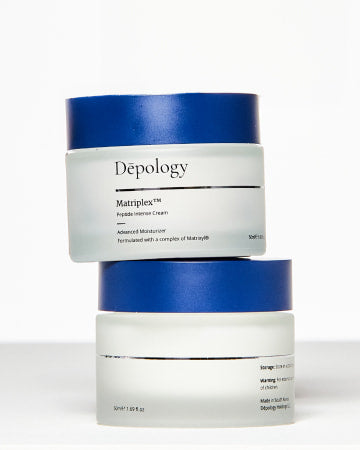
- Moisturizers: Use hydrating, fragrance-free moisturizers with hyaluronic acid or glycerin.
Our Pick: Matriplex™ Peptide Intense Cream
- Vitamin C Serum: Recommended for hyperpigmentation. Choose lower concentrations (10–15%).
Our Pick: Power C Antioxidant Radiance Serum
- Hyaluronic Acid Serums: Safe for hydration and combating dryness.
Our Pick: Cica H.A. Calm & Repair Serum
- Glycolic Acid-Free Exfoliants: Use lactic acid instead of glycolic acid.
Our Pick: Daily Glow Exfoliant Toner
- Non-prescription Acne Products: Benzoyl peroxide or low-concentration salicylic acid (≤2%).
Our Pick: Dark Spot Correcting N.A.T. Serum
- Fragrance-Free Products: Reduce irritation by choosing fragrance-free formulations.
Our Pick: Triple Lipid + Q10 Moisturizing Treatment
The intricacies of skincare can often seem like navigating through an endless maze, with each turn introducing a new ingredient, each claiming to be the elixir for youthful, radiant skin. In the realm of retinoids, two names consistently emerge from the crowd: Adapalene and Tretinoin. As these two powerhouses frequently end up in the same conversation, let’s dissect their differences, potentials, and decide which might be the champion for your skincare routine.
What is Adapalene and what does it do?
Adapalene is a topical retinoid medication used to treat acne vulgaris. It is a third-generation retinoid, which means that it is less irritating to the skin than older retinoids. Adapalene works by unclogging pores and reducing inflammation, making it a unique and effective treatment for acne.
Imagine your skin as a battlefield, with acne-causing bacteria and sebum clogging your pores and causing breakouts. Adapalene is like a general, leading the charge against these enemies. It works by:
- Acne Treatment: Effective for non-inflammatory acne (blackheads and whiteheads) and also useful for inflammatory acne.
- Cell Turnover and Keratinization: Promotes rapid skin cell turnover, preventing dead skin buildup and clogged pores.
- Anti-Inflammatory Properties: Helps reduce inflammation, beneficial for red and inflamed acne.
- Collagen Stimulation: May stimulate collagen production and reduce fine lines over time.
- Reduction in Hyperpigmentation: Can help treat dark marks left after acne heals.
- Comedolytic Action: Helps prevent blackheads and whiteheads by normalizing skin cell growth.
- Tolerance: Less irritating than other retinoids, a good option for sensitive skin or beginners.
Adapalene is a unique treatment for acne because it is both effective and gentle. It is available over-the-counter and widely accessible.
Adapalene vs Tretinoin: What's the difference?
Adapalene and Tretinoin are derivatives of Vitamin A used to treat acne and signs of aging. They share similarities but have crucial differences.
For pronounced wrinkles, sun damage, and hyperpigmentation, Tretinoin is generally stronger and more effective. However, for sensitive skin or acne-prone individuals, Adapalene may be preferred due to its gentler profile.
Adapalene is available over-the-counter and tends to be less irritating. Tretinoin is prescription-only and more potent for anti-aging.
Is Adapalene good for wrinkles?
Yes, Adapalene can help with wrinkles due to its ability to increase skin turnover and refine texture. While not as strong as prescription retinoids, it offers anti-aging benefits with reduced irritation.
How to layer Adapalene in your skincare routine
Venturing into the world of retinoids? Adapalene can seamlessly fit into your skincare routine if layered correctly, especially when combined with serums. Here's a simple guide to ensure harmony:
- Begin with a Blank Canvas: Start by cleansing your face with a gentle, nourishing cleanser.
- Tone with Purpose: If you use toner, choose one that is soothing and free of exfoliating acids.
- Hydration First: Apply watery serums such as hyaluronic acid or peptides before Adapalene.
-
Adapalene Application:
- Ensure your skin is completely dry.
- Use a pea-sized amount and avoid the eye and mouth area. - Oil-Based Serums: Apply oil-based serums or facial oils after Adapalene to lock in moisture.
- Lock in With a Moisturizer: Use a hydrating moisturizer to counter potential dryness or irritation.
- Sunscreen (Morning): If you ever use Adapalene in the morning, apply SPF 30 or higher afterward.
When is it best to use Adapalene – Morning or Night?
Adapalene is generally recommended for nighttime use for several reasons:
- Sun Sensitivity: It increases skin sensitivity to sunlight, so nighttime use minimizes sunburn risk.
- Efficacy: UV exposure can degrade retinoids. Using it at night ensures maximum effectiveness.
- Less Interaction: Fewer daytime products mean reduced risk of irritation or interactions.
Additional Tips:
- Avoid Layering with Irritating Ingredients: Do not layer Adapalene with AHAs, BHAs, benzoyl peroxide, or vitamin C. Use vitamin C in the morning and Adapalene at night.
- Consultation: Always seek advice from a dermatologist when introducing strong actives.
Retinol vs Adapalene
It’s not about which is better—it's about which suits your needs. Retinol is a milder anti-aging ingredient, while Adapalene shines for acne management.
For general anti-aging, retinol may be ideal. For acne concerns with mild anti-aging benefits, Adapalene can be a better match.
Our recommended Retinol:
Anti-Aging Retinol Night Cream
What are the possible side effects of Adapalene?
Like many active skincare ingredients, Adapalene can come with side effects during the initial phase. Common reactions include:
- Dryness and Flaking
- Redness
- Burning or Stinging Sensation (especially on damp skin)
- Increased Sun Sensitivity
- Itching
- Temporary Acne Worsening (“purging phase”)
- Swelling or Blistering (rare; discontinue if this occurs)
- Eczema Flare-Ups in sensitive individuals
Tips When Using Adapalene:
- Always Patch Test before introducing new actives.
- Consult a Dermatologist if you experience persistent irritation.
Most users tolerate Adapalene well, but reactions vary by skin type.
Can you use Adapalene when pregnant?
No. Pregnant or potentially pregnant individuals should not use Adapalene. It is absorbed through the skin and may pose risks to an unborn child. Always inform your doctor if pregnant or planning pregnancy.
Can you use Adapalene on sensitive skin?
Yes — but with caution. Adapalene is generally considered gentler than older retinoids, yet it can still irritate sensitive skin. Introduce it slowly and support the skin barrier.
How to start if you have sensitive skin:
- Use the “sandwich method”: moisturizer → Adapalene → moisturizer
- Apply only 2–3 times per week for the first 2–3 weeks
- Avoid layering with exfoliating acids or vitamin C
- Focus on barrier-supporting products (ceramides, lipids, peptides)
- Stop using it temporarily if irritation becomes intense
Who should avoid Adapalene?
Adapalene may not be suitable for everyone. Avoid or consult a dermatologist if you:
- Are pregnant or breastfeeding
- Have eczema, rosacea, or compromised skin
- Are using strong acne medications
- Have allergies to retinoids
- Have recently undergone facial peels or laser treatments
How long does Adapalene take to work?
Adapalene is effective — but not instant. The timeline usually looks like this:
- Weeks 1–2: Possible dryness or purging
- Weeks 4–6: Noticeable reduction in active acne
- Weeks 8–12: Improved texture, fewer clogged pores
- 3–6 months: Best results with consistent use
Tip: Consistency is key. Even if you don’t see immediate results, stick with it — improvements build over time.
Best products to pair with Adapalene
Pair Adapalene with barrier-friendly, hydrating ingredients to reduce irritation and maximize benefits.
Great companions:
- Hyaluronic acid serums
- Ceramide-rich moisturizers
- Cica/centella products
- Peptide creams
- Non-stripping cleansers
Avoid using together:
- AHAs (glycolic acid, lactic acid)
- BHAs (salicylic acid)
- Benzoyl peroxide (unless instructed by a dermatologist)
- Vitamin C serums (use in the morning instead)
- Scrub exfoliants
Does Adapalene help with hyperpigmentation?
Yes — Adapalene can help fade dark spots, but it works gradually. For faster results, combine it with a melanin-targeted serum (used at a different time of day).
Our favorite brightening partner:
Dark Spot Correcting N.A.T. Serum
Final Thoughts
Adapalene is a powerful retinoid backed by decades of research — and when used correctly, it can dramatically improve acne, texture, and long-term skin clarity.
To recap:
- Use at night on dry skin
- Start slow to minimize irritation
- Always pair with moisturizer
- Wear sunscreen daily
- Avoid during pregnancy
If you’re new to retinoids or want a gentler alternative, explore our peptide and retinol formulas that support long-term skin health:
Your ideal routine depends on your skin’s needs — but with the right combination of active ingredients and supportive formulas, you can unlock long-lasting clarity and radiance.