

What To Use Instead Of Retinol? Alternatives For Sensitive Skin
Retinol is a popular skincare choice for reducing the appearance of fine lines and wrinkles, but it is not always suitable for everyone. For some, it may be too harsh—especially for sensitive skin—while others may prefer gentler or more natural ingredients. Fortunately, many alternatives can deliver similar anti-aging and skin-refining benefits. If you're looking for retinol substitutes, here are some excellent options.
What Is Retinol?
Retinol is a form of Vitamin A widely used in skincare for its ability to boost cell turnover, reduce wrinkles, and even skin tone. It may also help treat acne and reduce inflammation. However, it is not suitable for everyone, which is why many people seek gentler alternatives.
When Should I Not Use Retinol?
Retinol can be irritating, especially for people with sensitive skin. It is also not recommended for those who are pregnant or breastfeeding. Retinol increases sun sensitivity, so applying it before sun exposure can cause irritation. If using retinol, it’s essential to start slowly to avoid discomfort—even if your skin isn't usually sensitive.
What Can I Use Instead Of Retinol?
If retinol isn’t the right fit for your skin, there are effective alternatives. Below are some top ingredients that offer similar benefits—improving wrinkles, acne, texture, and pigmentation.
Niacinamide
Niacinamide (Vitamin B3) improves moisture retention, reduces wrinkles, and calms irritation. It is non-irritating and anti-inflammatory, making it one of the best retinol substitutes for sensitive skin.
Our Pick: Dark Spot Correcting Serum
Bakuchiol
Bakuchiol is a plant-derived alternative clinically shown to deliver retinol-like results—reducing wrinkles, evening skin tone, and diminishing dark spots—without irritation. Ideal for those seeking a natural alternative.
Our Pick: Moisturizing Caviar Multi Balm Stick
Vitamin C
Vitamin C is a powerful antioxidant that brightens the skin, helps reduce wrinkles, evens pigmentation, and protects against UV damage. It is non-irritating and suitable for sensitive skin.
Our Pick: Power C Antioxidant Radiance Serum
Hyaluronic Acid
Hyaluronic acid is one of the most hydrating skincare ingredients available. It helps plump the skin, reduce fine lines, and boost moisture levels. It is non-irritating and ideal for all skin types, including sensitive and dry skin.
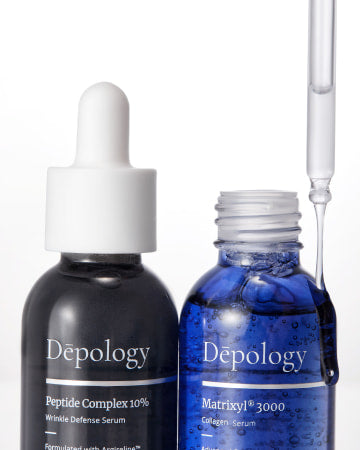
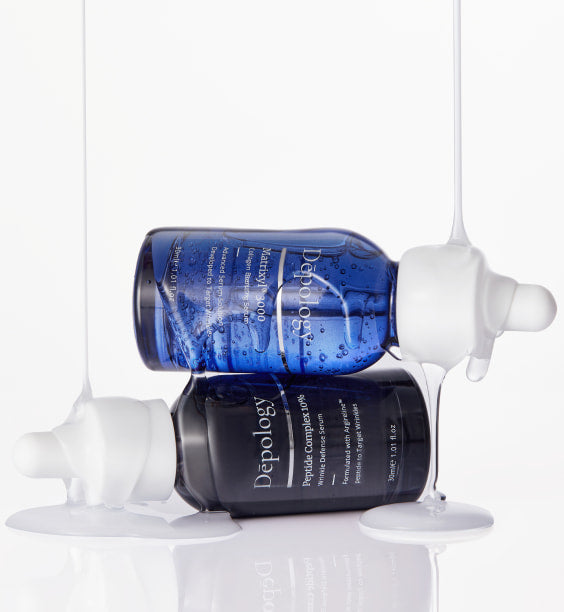
Our Pick: Peptide Complex Anti-Wrinkle Serum
AHAs (Alpha Hydroxy Acids)
AHAs are naturally derived exfoliating acids that remove dead skin cells, brighten skin tone, and reduce fine lines. They can also help unclog pores for acne-prone skin. However, they may be too harsh for sensitive skin, so proceed with caution.
Salicylic Acid
Salicylic acid penetrates pores to break down oil buildup, making it highly effective for treating blemishes and preventing new breakouts. It also exfoliates the skin to brighten tone and reduce wrinkles. However, it can be drying, so moisturization is essential afterward.
Green Tea
Green tea contains potent antioxidants such as polyphenols and catechins. These protect against environmental damage, reduce redness and inflammation, brighten the complexion, and help calm acne. It is gentle and suitable for sensitive skin.
Our Pick: Dark Spot Correcting Serum
The Final Verdict: Alternatives to Retinol
There are many effective ingredients that can help you achieve smoother, brighter, and healthier-looking skin without the irritation that retinol may cause. Whether you're looking for antioxidants, exfoliants, or anti-aging solutions, there is a retinol alternative suitable for your skin type. With so many options available, it’s easier than ever to find the perfect match.