



10 Common Beauty Myths You Should Know
In an age of misinformation, even skincare isn’t left out of the equation. It doesn’t take long for wrong information to spread about how to take care of your skin or which lifestyle habits to pick up for a life of longevity. Some tips you may have heard are true, such as “sleeping on your stomach causes more pressure.” This ultimately results in more permanent wrinkles. There are many beauty misconceptions that have and continue to be debunked.
So, which advice should you listen to and which should you scoff at? The more beauty facts we’re aware of than myths, we will all be able to help each other maintain a glowing appearance for years to come.
Top 10 Biggest Skincare Myths: You Need To Know
-
Skincare Packaging Doesn’t Matter
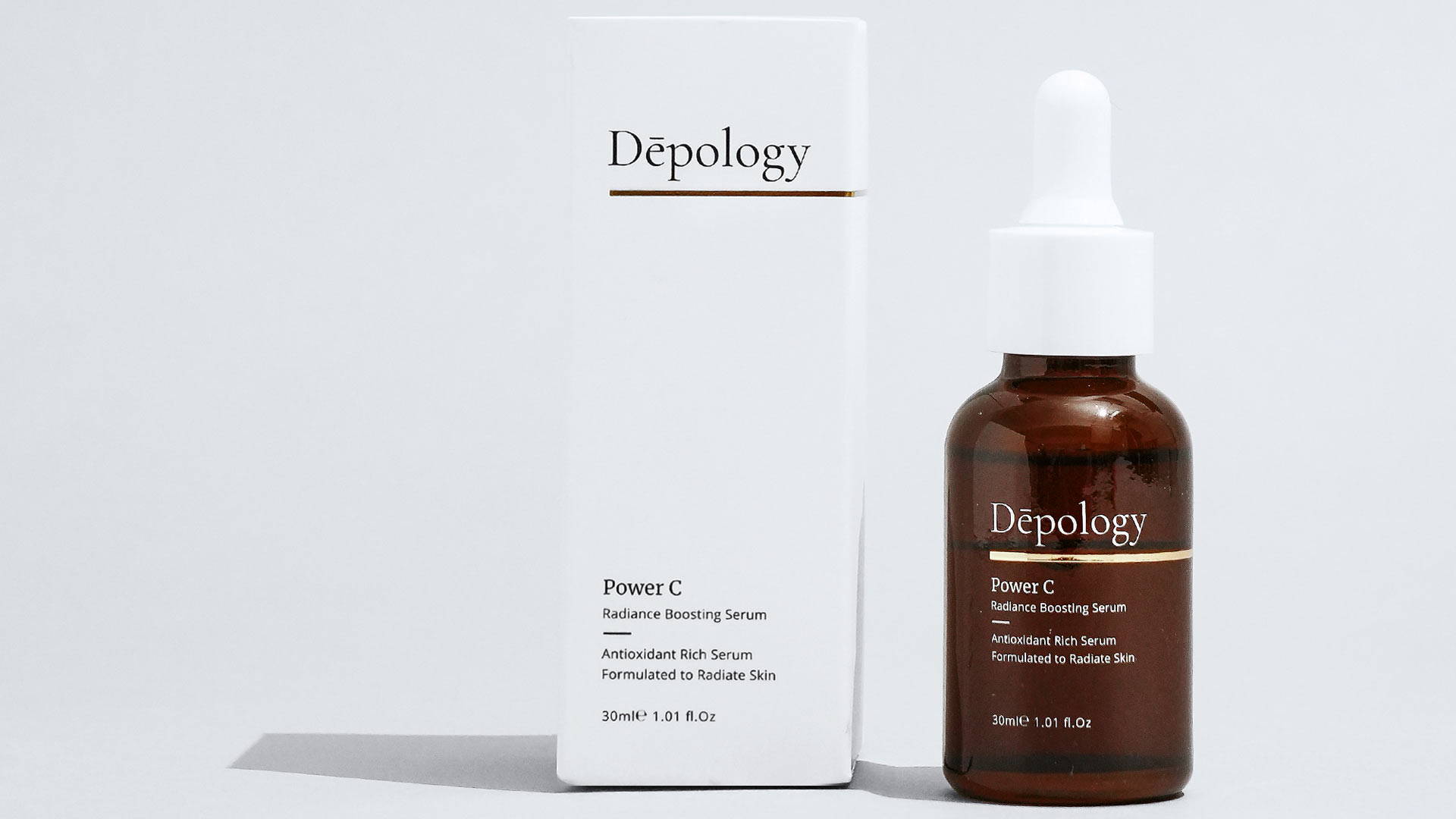
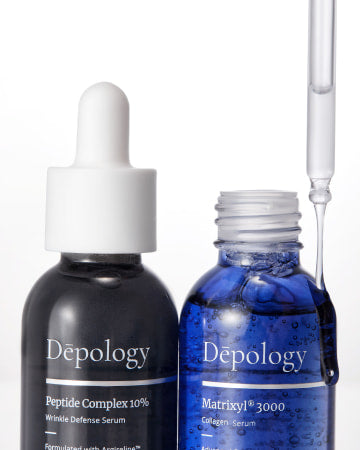
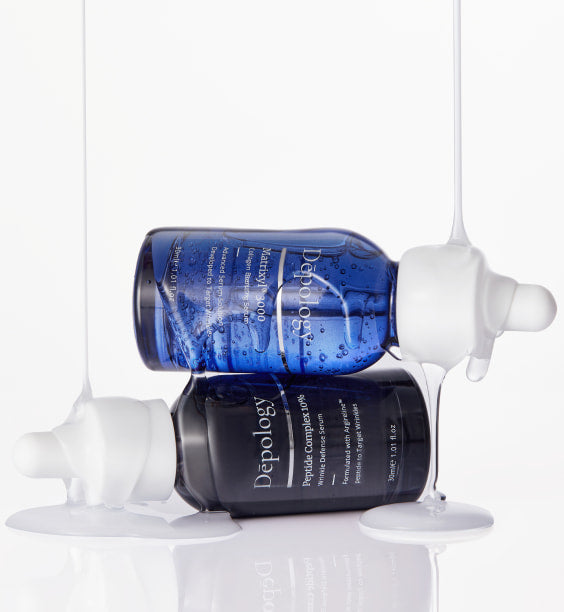
This couldn’t be further from the truth. Packaging is essential for product effectiveness. Avoid excess light and air exposure, which makes products degrade quickly. Always choose airtight, opaque containers.
-
Never Pop Pimples
You’ve likely been told to never pop pimples. But popping them (properly!) can actually help them heal faster. Always wash your hands and face first and pop gently to avoid scarring.
A visible whitehead means the zit is ready. Popping releases pressure and allows the skin to begin healing.
-
Using Sunscreen Daily Is Too Much
It’s a myth that daily sunscreen causes Vitamin D deficiency. You need less sun exposure than you think to maintain healthy Vitamin D levels.
Skipping sunscreen increases risk of skin cancer and accelerates aging. Daily SPF is essential—never skip this step.
-
The Order of Your Skincare Products Doesn’t Matter
This is one of the most harmful myths. The order you apply products is essential for absorption and effectiveness.
During the day, apply products from thinnest to thickest. Always cleanse → toner → serums/creams → sunscreen (last).
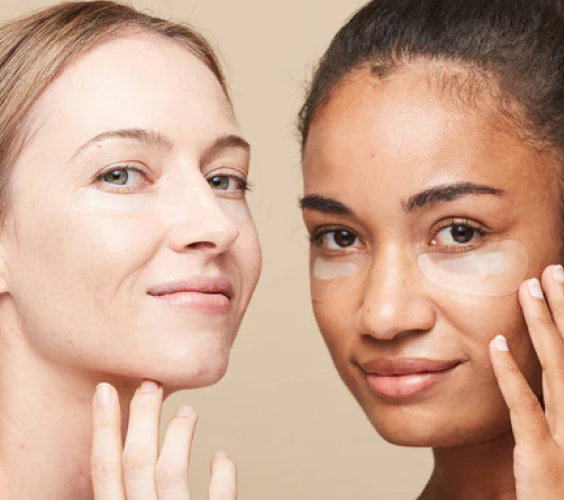
At night: makeup remover → cleanse → serums → moisturizer → eye cream. Face masks or patches can be used at the end for extra pampering.
-
Enlarged Pores Can Be Reversed
Once pores enlarge, they cannot be made “small” again, but they can be minimized. Causes include sun exposure, clogging, and acne.
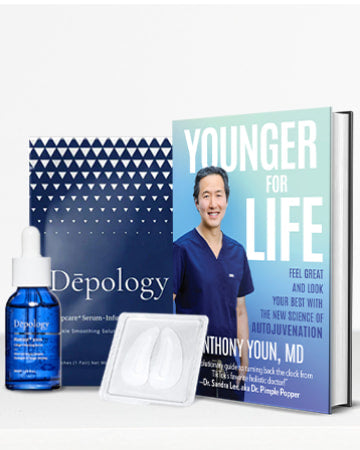
Ingredients like retinol and salicylic acid help. Our Deepcare+ Serum-Infused Micro Dart Patches and microneedling help with discoloration, wrinkles, and pore size.
-
Niacinamide & Retinol Don’t Mix
They actually work extremely well together. Even Vitamin C can be added to create a powerful trio.
Using niacinamide and retinol together promotes calmer skin and improves tolerance, reducing new wrinkles over time.
-
Dark Circles Under Eyes Can Be Reversed
Unfortunately, once dark circles form under the eyes, they rarely disappear fully, especially with genetic causes.
There are treatments and procedures that lighten and improve them. Laser treatments, niacinamide, Vitamin C, and azelaic acid are among the effective options.
-
“Clean Beauty” Is Safer
“Clean beauty” is mostly a marketing term; it has no regulated definition. Many synthetic ingredients are safe and effective.
The real key is proper formulation—not whether a product is “natural.”
-
All Chemical Ingredients Are Bad
Everything—including your body—is made of chemicals. Skincare ingredients labeled as “chemical” are not automatically harmful.
However, ingredients like parabens, PEGs, acrylates, and certain sunscreen components should be used in moderation and patch-tested.
-
The Skin Repairs Itself Better While Asleep
Your skin repairs itself 24/7. However, active blood flow during the day promotes more oxygen delivery and faster skin cell renewal.
Conclusion: Myths About Beauty
Never believe everything you hear. Facts are your friend, and so are multiple skincare products—even those with chemicals. A proper skincare routine will not disappoint. When in doubt, clinical professionals and certified research are the best sources to help you make the best choices for your skin.