




Can You Use Caffeine with Vitamin C In Your Skincare Routine?
A naturally-occurring substance found in coffee beans, cocoa beans, and tea leaves, caffeine is one of the most popular substances in the world. An estimated 90% of all adults consume caffeine daily in some form for an added boost to their routines. Though we know caffeine is adored in the form of lattes and energy drinks, what do we know about it being formulated in topical products such as serums and creams?
A central nervous system stimulant, caffeine functions in the body by increasing attentiveness and temporarily improving brain functions. The effects of the stimulant have also transferred over to skincare, the positive benefits particularly appearing when paired with vitamin C, a longtime favorite among skincare users. So, how exactly do these two ingredients work so well together?
Can you mix caffeine with Vitamin C?
Yes, caffeine and vitamin C are commonly mixed in skincare products, being rather complementary in skincare formulations. When combined, these two ingredients provide several skin benefits:
Brightening: Known for its skin-brightening effects, vitamin C helps fade hyperpigmentation, dark spots and evens out the skin tone. When mixed with caffeine's ability to reduce puffiness, particularly around the under-eye area, the product offers the skin a more vibrant appearance.
Enhanced Absorption: Some studies have suggested that vitamin C may have the ability to enhance the absorption of caffeine when applied topically. This would make caffeine’s ability to reduce puffiness and increase blood circulation more effective.
Though these two dynamic ingredients share many positive effects when paired, there are a few things to consider when combining them:
Product Formulation: Be sure to check for any potential irritants or active ingredients that may not be suitable for your skin type. Particularly for those with sensitive skin, products with higher concentrations of vitamin C can cause unwanted side effects.
Sun Protection: Both caffeine and vitamin C can make the skin more sensitive to UV radiation. Always use sunscreen during the day when using products with these ingredients to protect your skin from sun damage, even on cloudy days and during the colder months.
Does caffeine or Vitamin C come first in your skincare routine?
Caffeine and vitamin C are both beneficial in a skincare routine and can serve different purposes. Though the order in which you apply them can depend on your specific skincare goals and the products you're using, although the general consensus is vitamin C comes first.
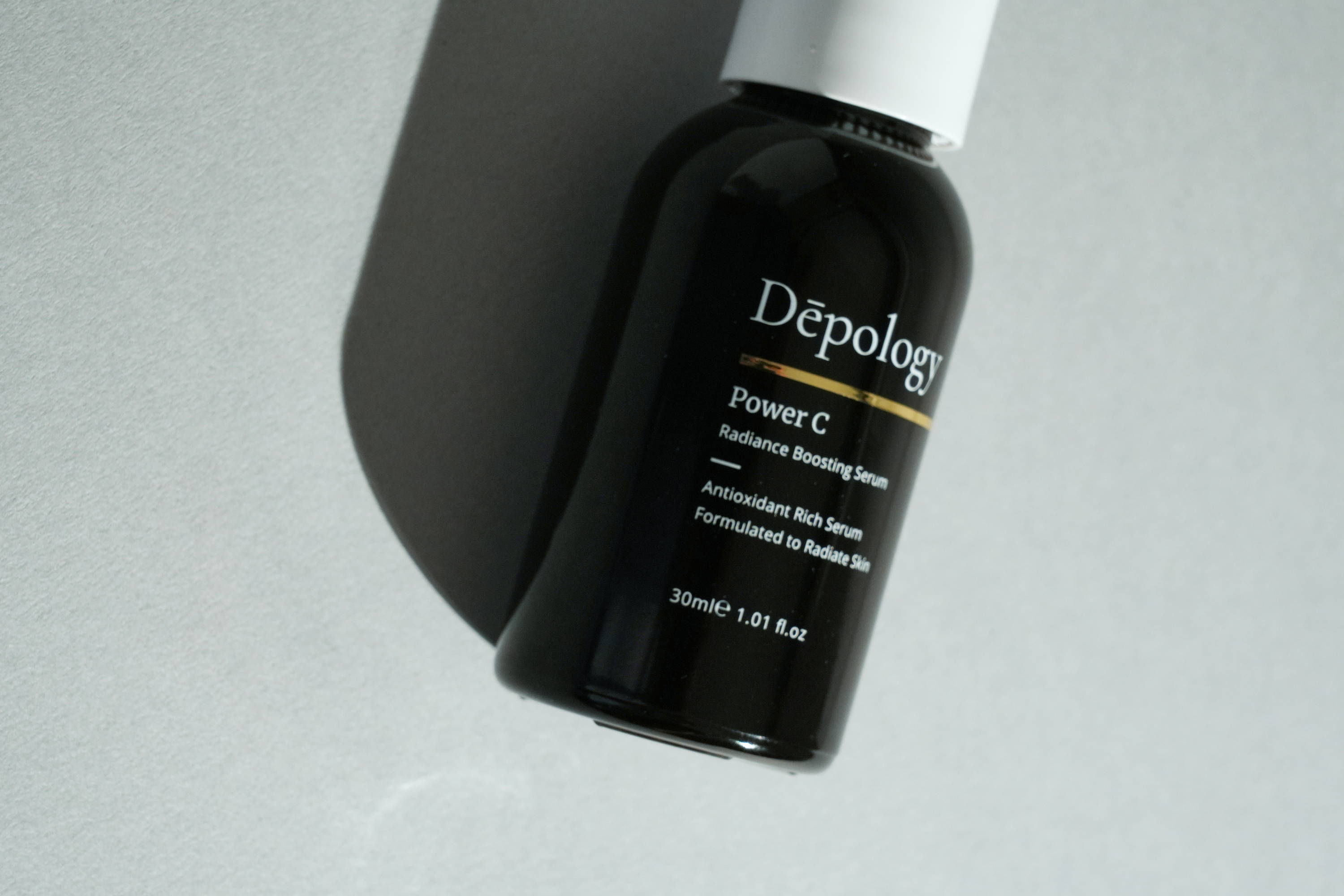
Vitamin C: Vitamin C serums are often used in the morning because they have antioxidant properties and can help protect your skin from environmental damage, such as UV rays and air pollution. Apply your vitamin C serum after cleansing your face and before applying sunscreen. Make sure to allow a few minutes for the vitamin C serum to absorb into your skin before moving on to the next step.
CTA: Power C Antioxidant Radiance Boosting Serum
Caffeine: Eye creams or serums containing caffeine are typically used to reduce puffiness and dark circles around the eyes. It’s often best to apply these products after your vitamin C serum but before applying moisturizers and sunscreen during the day. This method can help target specific eye concerns without interfering with the overall effectiveness of the Vitamin C.
A newfound addition to our superior collection, the Caffeine Cooling Eye Serum Stick bands together the forces of potent caffeine for depuffing around the eyes, sand lily for skin brightening, ferment complex for soothing properties, and niacinamide for improvement of skin hydration and texture, an ingredient known to be highly compatible with caffeine. This stick can be applied daily during both morning and night routines, and when necessary throughout the day, making it a convenient resource for any skincare user.
CTA: Caffeine Cooling Eye Serum Stick
What are the effects of using caffeine on the skin?
When applied topically to the skin, caffeine alone has several potential benefits. The concentration of caffeine in the product and its formulation can also play a major role in caffeine’s effectiveness. Here are some of the known effects of using caffeine on the skin:
Antioxidant Properties: Caffeine’s antioxidant properties can often help protect the skin from free radical damage, which is typically caused by UV radiation and air pollution. These properties can help to slow down the aging process and reduce the risk of skin diseases.
Reduction in Puffiness: Caffeine causes the blood vessels to constrict, which can temporarily reduce puffiness and inflammation in the skin. The ingredient has also been shown to increase blood flow, all of these prospects contributing to caffeine being a common ingredient present in many under-eye creams and gels.
Cellulite Reduction: Some topical products containing caffeine are branded as cellulite treatments. This is due to caffeine having the potential to break down fat cells and reduce the overall appearance of cellulite, which is essentially the fat deposits located beneath the skin.
What other ingredients are compatible with caffeine?
Caffeine can be compatible with a wide range of skincare ingredients, and its consonance often depends on your specific skincare goals, any existing skin conditions, and skin type. Here are some ingredients that tend to be favorable when formulated with caffeine in skincare products:
Hyaluronic Acid: A powerful hydrating ingredient, hyaluronic acid can work incredibly well with caffeine. Hyaluronic acid ensures moisture retention in the skin, while caffeine provides essential antioxidant and anti-inflammatory benefits.
Niacinamide: Niacinamide, also known as Vitamin B3, is a favorite by many for its soothing and anti-inflammatory capabilities. It can complement caffeine's ability to reduce redness and inflammation, making it suitable for your skincare collection, especially for those with sensitive skin.
CTA: Dark Spot Correcting N.A.T. Serum
Peptides: Peptides are amino acid chains that stimulate collagen production and help improve the skin's overall texture and firmness. Combining caffeine with peptides can offer a well-rounded approach to addressing signs of aging in your skincare routine.
Retinol: A vitamin A derivative, retinol is commonly used in skin care to promote skin renewal and reduce the overall signs of aging. When used with caffeine, retinol can further address puffiness and dark circles while also targeting fine lines and wrinkles, which are common premature aging signs.
CTA: Anti-Aging Retinol Night Cream
Green Tea Extract: Much like caffeine, green tea extract contains vital antioxidants and can provide additional anti-inflammatory and calming benefits. These two ingredients work together well to relieve and protect the skin from external stressors.
Aloe Vera: Aloe vera is commonly known for its soothing and hydrating properties, often found in lotions and moisturizers. Combined with caffeine, it can help balance any potential drying effects caffeine might contain, making it especially suitable for users with sensitive skin.
Ceramides: Ceramides are lipids that help strengthen the skin and retain moisture. Using ceramides with caffeine can provide hydration and enhanced protection for the skin’s protective barrier.
Glycerin: A forceful hydrator, glycerin works well with multiple ingredients, particularly caffeine. When combined, these two ingredients help to maintain moisture levels in the skin and prevent dehydration.
Are there any side effects to mixing caffeine with Vitamin C?
As compatible as they are, not everything always works together synchronically. Mixing any two ingredients should be done with caution and it’s wise to be aware of any potential side effects that can occur during your routine:
Skin Irritation: In high concentrations or for individuals with sensitive skin, caffeine can cause irritation, redness, or a burning sensation when applied.
Dryness: Caffeine can sometimes cause skin dehydration, and if used excessively, it may contribute to intense dryness and overall damage to the skin’s barrier. If caffeine-containing products are not balanced with adequate moisturizers, this tends to happen more regularly.
Overstimulation: Excessive use of caffeine on the skin can lead to overstimulation, which might cause increased sensitivity or even worsen certain skin conditions like rosacea.
Dependence: Similar to when consumed orally, any skincare user can develop a mild dependence on caffeine-containing skincare products. Excessive use on the skin may cause the user to become reliant on the ingredient. You may notice increased puffiness when you stop using, something to keep in mind during the transition.
How often can you use caffeine and vitamin C together?
How often you can use caffeine and vitamin C together depends on your skin's individual needs and sensitivities. Many people incorporate these ingredients into their morning skincare routine to rejuvenate their skin and give them an energy boost to start their day.
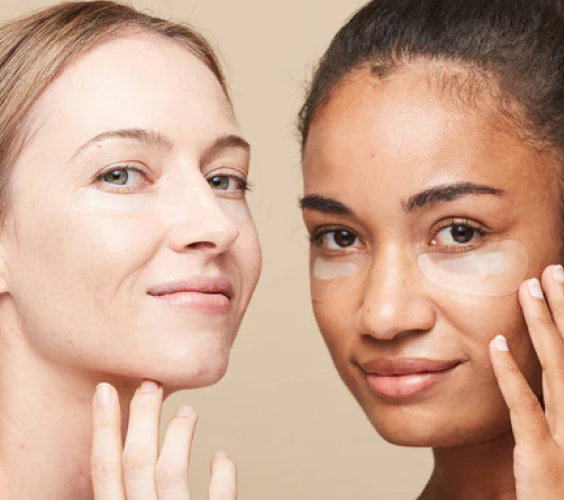
A longtime favorite among Dēpology users, our gold under-eye patch utilizes a core superhero ingredient, gold extract, along with the incredible proven benefits of caffeine to be incorporated into your morning routine.
Together, they alleviate dark under-eye circles, enhance skin brightness, and remove hazardous toxins from beneath the skin. They are recommended to be applied before makeup application and can be used daily. Their capabilities only require a 10-15 minute portion of your routine as you get started for your day.
CTA: Restoring Day Under Eye Patch
If you are prone to sensitive skin, be sure to monitor how your skin reacts to the combination of these two ingredients. Some individuals may experience mild irritation or dryness when using caffeine and vitamin C together. If this occurs, consider using these products on alternate days or adjusting the concentration to continue reaping the benefits of both.
Layering of skincare products is crucial when it comes to using these ingredients together. Apply the vitamin C serum first, allow it time to absorb beneath the skin, and then apply your product containing caffeine. This order ensures the effectiveness of both ingredients.
Conclusion
Incorporating caffeine and Vitamin C into your skincare routine can be a productive method when used thoughtfully and properly. Vitamin C's antioxidant properties help protect the skin from environmental damage, while caffeine reduces the appearance of dark circles and treats symptoms of inflammation.
When using these ingredients together, applying Vitamin C before caffeine is typically recommended for optimal or desired results. However, it’s most important to understand your skin's needs, monitor its response, and adjust the frequency and concentration of these products as necessary. A well-balanced skincare routine that is tailored to your skin type can ultimately help you achieve a more refreshed and radiant complexion.