


How To Repair Your Skin's Moisture Barrier?
Are you noticing that your skin isn't quite as soft, supple, and hydrated as it used to be? It might be a sign that your skin's moisture barrier needs some TLC. When the moisture barrier is damaged, skin becomes dry and vulnerable to environmental stressors. Repairing it helps restore hydration and protects your skin.
In this blog post, we'll explain what the moisture barrier is and how you can repair it for a healthier, brighter complexion. If you want glowing, dewy skin again — keep reading!
What Is The Skin's Moisture Barrier?
The skin's moisture barrier is a protective layer that keeps your face hydrated and shielded from irritants. It locks in moisture while blocking harsh environmental stressors. A healthy barrier prevents dryness, clogged pores, breakouts, and irritation.
What Is The Moisture Barrier Made Of?
Your skin's moisture barrier contains natural oils, fatty acids, ceramides, and proteins. These lipids act as the “mortar,” surrounding skin-cell “bricks” called corneocytes. This structure keeps skin soft, elastic, and hydrated.
How Does The Moisture Barrier Get Damaged?
A damaged barrier can lead to dryness, irritation, redness, and sensitivity. Without strong protection, skin becomes vulnerable to premature aging signs—wrinkles, dark spots—and breakouts.
Many factors can weaken the barrier: • UV exposure • Harsh skincare products • Air pollution • Smoking • Lack of sleep • Poor diet
Sun damage weakens the barrier. Harsh cleansers or scrubs strip natural oils. Pollution irritates and breaks down the barrier. Lifestyle habits can also worsen the condition.
How To Repair The Skin's Moisture Barrier
Repairing the barrier requires the right skincare ingredients and healthy lifestyle choices.
Keep Your Skin Hydrated
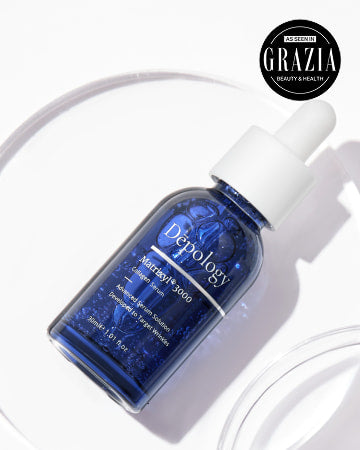
Look for hydrating skincare products made to restore the barrier. Hyaluronic acid has high water-binding abilities, and glycerin draws moisture from deeper skin layers and the air.
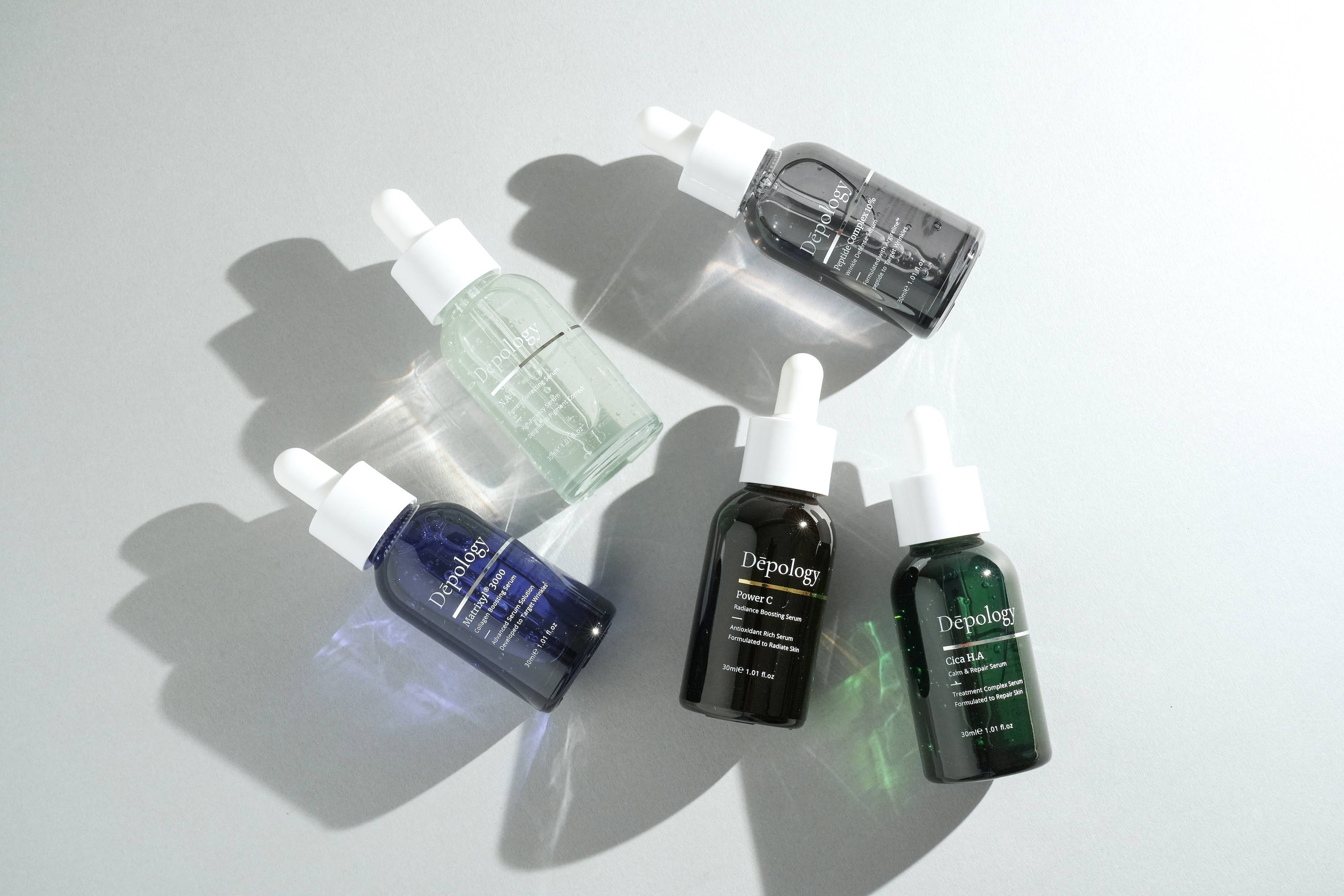
Our Pick:

Protect Against Environmental Stressors
Use sunscreen with SPF 30 or higher every day—even on cloudy days. Avoid outdoor activities when air quality is poor to reduce pollution exposure.
Avoid Harsh Products
Harsh cleansers and exfoliants can worsen barrier damage. Follow product directions carefully and choose gentle formulas, especially for sensitive skin.
Choose Skin-Repairing Ingredients
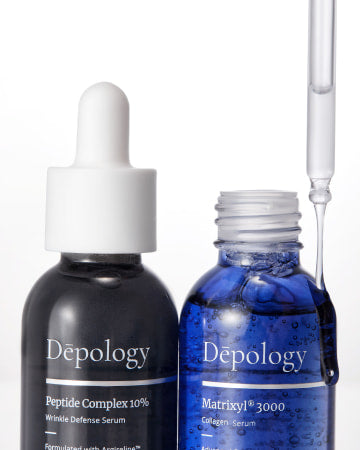
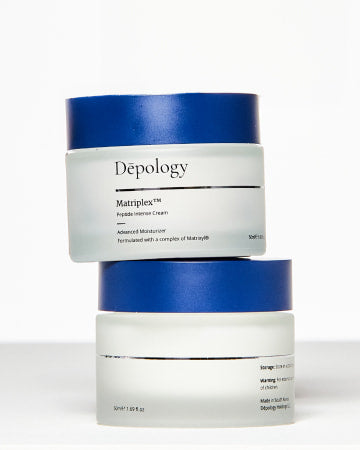
Look for ingredients rich in fatty acids and antioxidants—like jojoba oil and Vitamin E. Hyaluronic acid, glycerin, and ceramides help lock in moisture. Green tea and Vitamin C offer anti-inflammatory and antioxidant benefits.
Our Pick:

The Final Verdict
Repairing your skin’s moisture barrier keeps your skin healthy, nourished, and protected. A strong barrier helps maintain hydration and prevents signs of premature aging. With the right ingredients and simple lifestyle adjustments, you can restore your moisture barrier and enjoy soft, dewy skin again.