
What's The Difference Between Retinol And Tretinoin?
Anyone who's ever done a quick Google search on how to treat aging skin has probably come across the term retinoid. But what is a retinoid? And more importantly, what's the difference between retinol and tretinoin, two of the most popular retinoids? Both have many similarities and overall skin benefits. This article will clarify their unique differences so you can decide which one is right for you.
What Is A Retinoid?
Before getting into the difference between retinol and tretinoin, we need to start with the basics. Both are retinoids—chemical compounds derived from Vitamin A. Retinoids are popular in skincare because of multiple benefits:
- Anti-Aging: Boost collagen, strengthen the skin, plump fine lines, and smooth wrinkles.
- Improve Skin Tone & Texture: Stimulate blood vessel production, brighten complexion, increase cell turnover, and lighten dark spots.
- Anti-Acne: Exfoliate dead skin, unclog pores, remove acne-causing bacteria.
- Protects Skin: Provides antioxidant protection against free radical damage.
Retinoids can be harsh if you're new to them—ease in slowly to prevent redness or irritation. Only use in the evening, as retinoids make skin sensitive to UV rays. Read more about retinol dos & don'ts here.
Differences Between Retinol And Tretinoin
Retinol and tretinoin are similar but not identical. Here are their main differences.
What Is Retinol?
Retinol is the most common over-the-counter retinoid. At the right concentration, it doesn't require a prescription. It carries all the core benefits: reducing wrinkles, acne, hyperpigmentation, and dark spots.
What Is Tretinoin?
Tretinoin (Retin-A or retinoic acid) is a stronger, prescription-only retinoid. It works faster and delivers quicker results compared to retinol—but is also harsher on the skin.
Read More: “How To Use Tretinoin For Wrinkles”
When Should I Use Retinol vs. Tretinoin?
Both retinol and tretinoin offer anti-aging, anti-acne, and brightening benefits. But their potency and availability differ.
If you're new to retinoids, start with retinol. It’s accessible, great for beginners, and available in various concentrations. Effects take longer due to its lower potency.
If you want faster results, tretinoin is more effective. Dermatologists can adjust the dosage for sensitive skin. However, it requires a prescription and is harder to obtain.
Retinoids Available At Dēpology
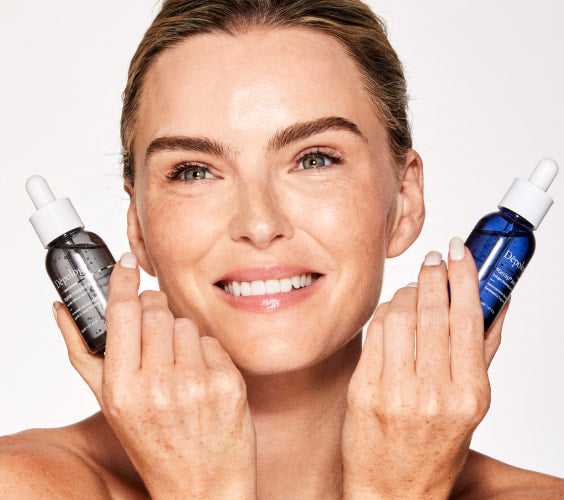
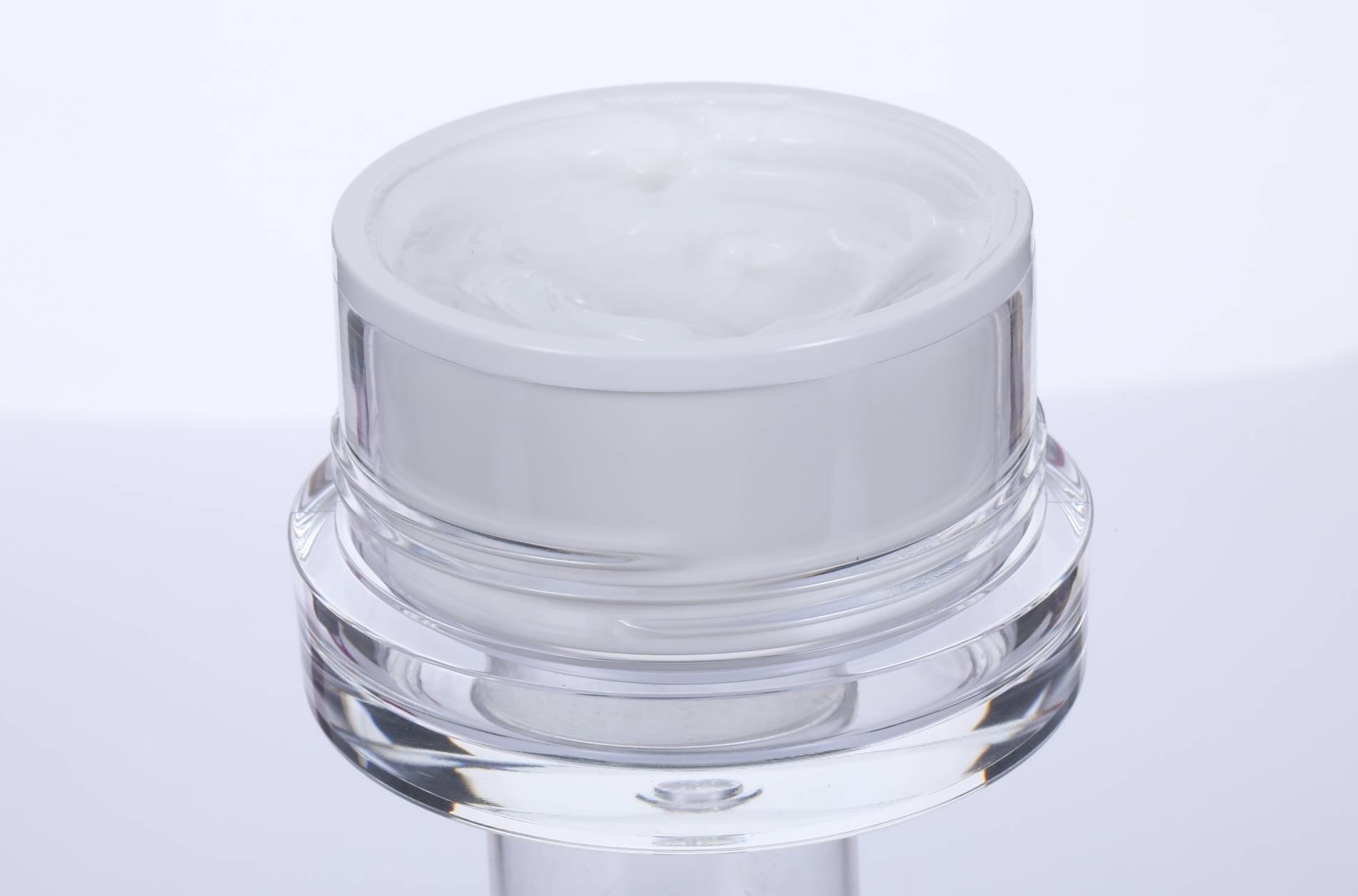
At Dēpology, we offer effective over-the-counter retinoid products. Our Anti-Aging Retinol Night Cream contains 0.5% pure retinol and offers firming, smoothing, and anti-aging benefits. It combines niacinamide (3%), hydrolyzed collagen, and sodium hyaluronate for hydration and barrier support.
Conclusion: Difference Between Retinol And Tretinoin
Both retinol and tretinoin effectively treat acne and wrinkles. Tretinoin is stronger and requires a prescription, while retinol is gentler and easier to access. If you want powerful, fast results, tretinoin may be right. If you have sensitive skin or want an accessible option, retinol may be the better choice.