
How To Use Tretinoin For Wrinkles?
Aging is natural, but that doesn't mean you can't do anything about fine lines and wrinkles. Tretinoin, a form of Vitamin A, is clinically proven to smooth skin and reduce wrinkles. If you're unfamiliar with how tretinoin works and what it can do, this guide will help you understand how to get the best results from using tretinoin for wrinkles.
What Is Tretinoin And How Does It Work?
Tretinoin is a potent form of Vitamin A that is stronger than retinol and generally available only via prescription. Because of its strength, it may not be ideal for sensitive skin unless recommended by a dermatologist.
Tretinoin rejuvenates the epidermis by accelerating cellular regeneration. Your skin replaces older cells faster, resulting in smoother, more youthful skin. This boosted turnover offers multiple benefits, which we’ll explore below.
Read More: What's The Difference Between Retinol And Tretinoin?
Benefits Of Using Tretinoin
Tretinoin’s cell-rejuvenating properties can improve the skin in many ways. With consistent daily use, you may begin to see:
- Smoother Skin: Tretinoin supports collagen renewal, helping firm and plump aging skin.
- Glowing Complexion: Faster cell turnover reveals fresher, brighter skin for a youthful glow.
- Reduced Hyperpigmentation: Helps fade age spots, sun spots, and uneven tone over time.
- Clearer Skin: Tretinoin helps reduce acne and prevent clogged pores while diminishing acne scars.
With consistency, tretinoin can help you achieve smoother, clearer, and younger-looking skin.
What Kinds Of Wrinkles Can Tretinoin Treat?
Tretinoin can target many types of wrinkles, including crow’s feet, fine lines around the eyes and mouth, forehead wrinkles, laugh lines, and even deeper wrinkles. Everyone’s skin responds at different speeds, so patience is key—visible results often appear after several weeks of consistent use.
How To Use Tretinoin To Reduce Wrinkles
Using tretinoin for wrinkles is simple, but you must apply it correctly. Begin by getting a prescription from your dermatologist. Use the cream or gel at night as part of your skincare routine.
Cleanse your face, pat dry, and apply a pea-size amount. Start with every other night for the first few weeks, then gradually increase as your skin adjusts. Overuse can cause irritation—less is more.
Always start slow, and avoid applying excessive amounts. Some skincare products also pair tretinoin with soothing ingredients to support anti-aging.
What Are The Side Effects Of Tretinoin?
Tretinoin is effective but can cause temporary side effects such as burning, redness, dryness, stinging, or itching—especially for sensitive skin. These effects usually improve as your skin adapts.
Tretinoin increases sun sensitivity, so daily sunscreen is essential. Wear SPF 30+, avoid direct sunlight, and consult your dermatologist for personalized guidance.
What Is A Good Alternative To Tretinoin?
Retinol is a popular over-the-counter alternative. It's gentler, slower-acting, and suitable for sensitive skin. Retinol targets wrinkles, brightens skin, and helps with acne—making it an ideal option for preventive anti-aging.
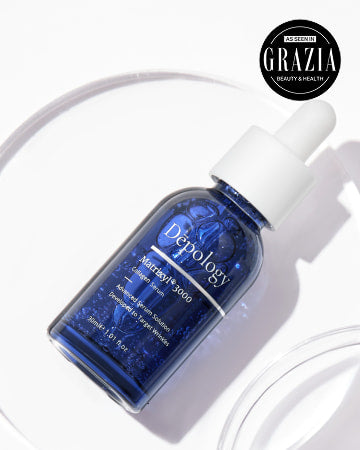
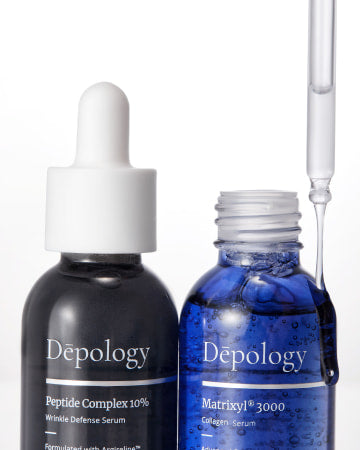
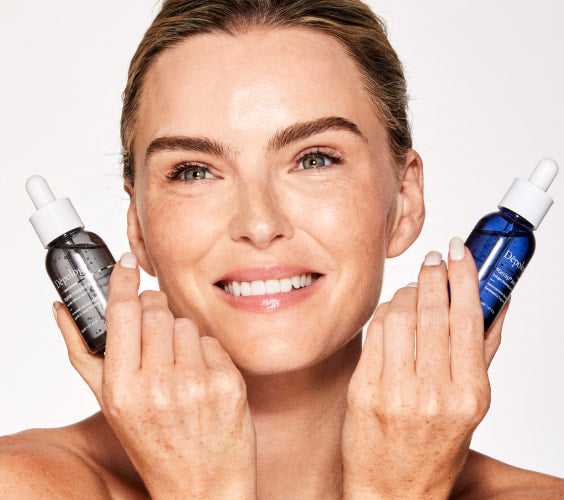
Our Pick:
The Final Verdict: Tretinoin for Wrinkles
Tretinoin is a powerful and effective anti-aging treatment that minimizes wrinkles, brightens your complexion, evens skin tone, and reduces acne. Start slowly, protect your skin from the sun, and stay consistent to enjoy smoother, clearer, and younger-looking skin.