


Skincare Myth Busting: 3 Common Mistakes That Are Hurting Your Skin
Introduction: When “Good Habits” Backfire
You double‑cleanse, avoid sugar, and invest in the “right” products…
Yet your skin still feels tight after cleansing, looks greasy by noon, and fine lines are starting to show.
Very often, the problem isn’t your effort.
It’s the myths you’ve been following.
In this guide, we’re breaking down three of the most common skincare myths and replacing them with science‑backed truths:
- Why certain “healthy” habits are actually damaging your skin
- What to do instead if you want a calm barrier, balanced oil production, and smoother texture
- Which types of products to reach for when you’re ready to graduate from guesswork to science
At Depology, our formulas are built around proven ingredients, not trends. Let’s make your routine match the science.
Myth #1: “The harder you scrub, the cleaner your skin
If your goal in cleansing is that squeaky‑tight feeling, you’re not alone.
Many people believe that they need to “scrub until it feels clean” with:
- Rough towels or cleansing brushes
- Harsh foaming cleansers
- Physical scrubs several times a week
The Truth: You’re damaging your skin barrier
Over‑cleansing and aggressive scrubbing can:
- Strip away protective lipids and natural oils
- Disrupt the skin’s acid mantle
- Trigger redness, irritation, and more breakouts
- Make your skin feel tight, then paradoxically more oily as it tries to compensate
Clean does not mean tight.
True cleanliness is about dissolving makeup, sunscreen, and excess oil without tearing down the barrier that keeps your skin healthy.
The Science‑Backed Alternative: Let texture do the work, not friction
Instead of scrubbing, look for a balm or oil cleanser designed to melt impurities away.
A formula like Opuntia‑C Relief Cleansing Balm is built around this idea:
- A balm texture that melts into an oil with the warmth of your hands
- Lipophilic (oil‑loving) ingredients that gently dissolve sunscreen, makeup, and excess sebum
- Emulsifies with water and rinses clean, leaving skin soft instead of stripped
Best for:
- Sensitive or reactive skin
- Anyone who wears daily SPF or makeup
- Those who feel tight, itchy, or flaky after washing their face
If your skin always feels “squeaky” after cleansing, it’s not a sign of purity—it’s a sign your barrier is asking for help.
Myth #2: “Oily skin doesn’t need hydration
“I’m already shiny. If I use a hydrating serum or cream, won’t I just look greasier?”
This is one of the most common—and most damaging—myths for oily and combination skin types.
The Truth: Dehydrated skin often gets more oily
Here’s what really happens when oily skin is dehydrated:
- Water content in the skin drops
- The skin reads this as a threat to its barrier
- To compensate, it produces even more oil
- Pores look larger, makeup breaks apart, and texture becomes uneven
So while it feels logical to “skip moisturizer”, you’re actually driving your skin further out of balance.
The Science‑Backed Alternative: Lightweight hydration plus collagen support
Oily and combination skin do best with water‑rich, lightweight hydration—not heavy occlusives.
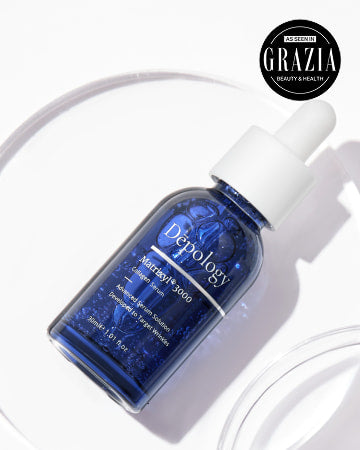
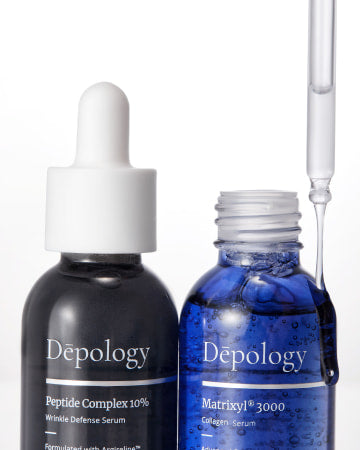
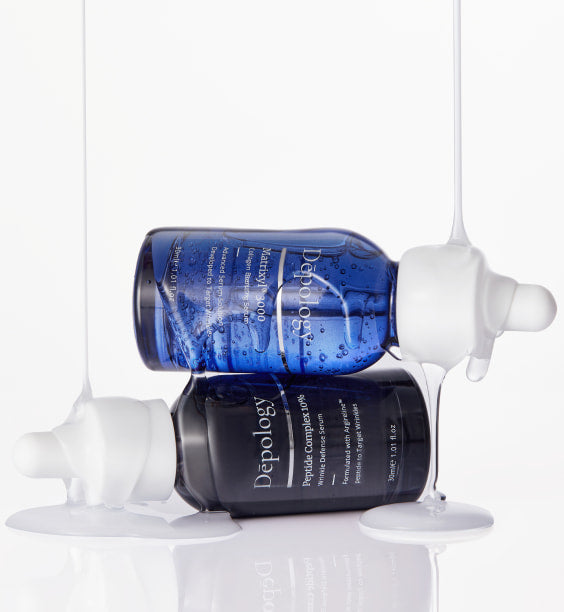
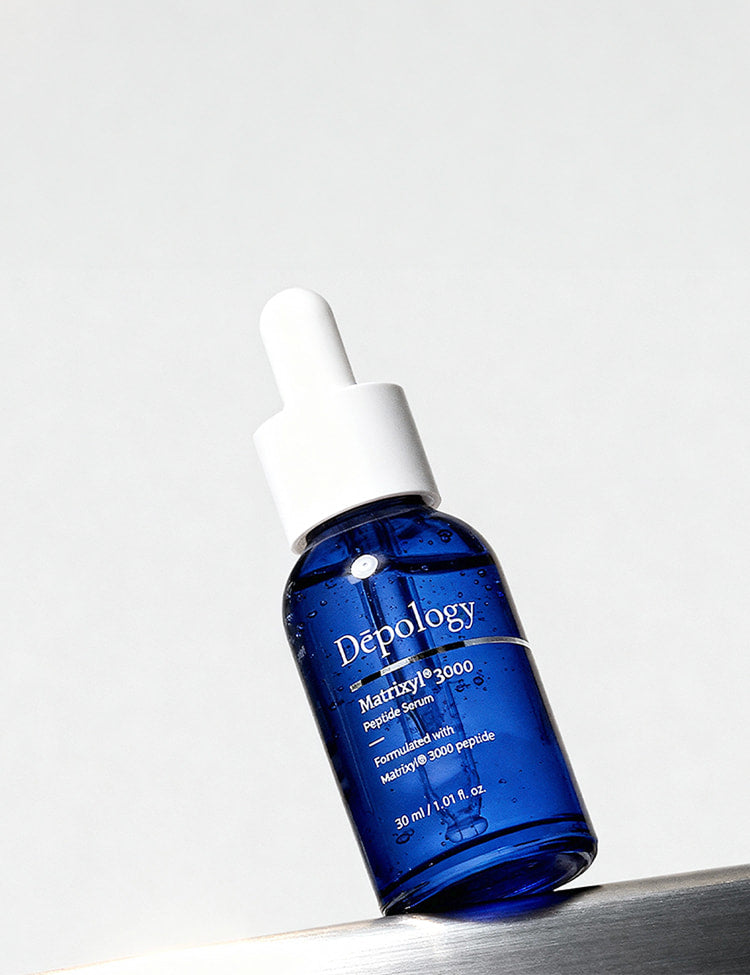
A collagen‑supporting peptide serum like Matrixyl® 3000 Collagen Serum is designed to:
- Deliver hydration in a light, fast‑absorbing texture
- Support collagen for improved firmness and smoothness over time
- Help the skin maintain a healthier water‑oil balance, instead of overproducing sebum
Especially helpful if:
- You spend long hours in air‑conditioned or heated rooms
- Your skin feels tight after cleansing but looks oily by midday
- You’re starting to notice fine dehydration lines or makeup clinging to dry patches
For “oily but dehydrated” skin, the goal isn’t less product—it’s the right type of hydration.
Myth #3: “Anti‑aging is only for when you already have wrinkles
“I don’t see any lines yet. I’ll start anti‑aging later.”
From a marketing perspective, this makes sense: anti‑aging products are often shown on mature faces.
From a physiology perspective, it’s a myth.
The Truth: Prevention is easier than correction
Here’s what we know from skin biology:
- Collagen production begins to decline in your mid‑20s
- Environmental damage (UV, pollution, blue light) accumulates long before lines become visible
- The fine lines you notice at 30–35 are the result of years of slow change
It is always harder—and slower—to reverse a deep, etched wrinkle than it is to prevent it from forming.
The Science‑Backed Alternative: Start gentle night repair early
Nighttime is when your skin naturally shifts into repair mode. That’s when retinoids earn their place.
A beginner‑friendly formula like Retinol Night Cream is designed to:
- Use a gentle concentration of retinol to increase cell turnover
- Improve rough texture, early fine lines, and dull tone
- Pair retinoids with hydrating and soothing ingredients to minimize dryness and irritation
Ideal for:
- Anyone 25+ who wants to “bank” collagen for the future
- Night‑owl schedules, dullness, or enlarged pores
- Those who want to ease into retinol without jumping straight to aggressive treatments
Instead of waiting for lines to become obvious, think of night repair as a long‑term investment in your skin.
The “No‑Mistakes” Routine: How to Fix All Three Myths at Once
If you recognized yourself in more than one of these myths, you’re not alone.
The good news: you don’t need a 12‑step routine to get back on track.
Here’s a simple, science‑driven routine that corrects all three at the same time.
Step 1 — Gentle cleansing (not scrubbing)
Use a balm cleanser like Opuntia‑C Relief Cleansing Balm:
- Warm a small amount between your fingers until it melts
- Massage gently onto dry skin to dissolve sunscreen and makeup
- Add water to emulsify, then rinse thoroughly
Result: Skin feels clean, soft, and comfortable—instead of tight and squeaky.
Step 2 — Lightweight hydration plus collagen support
Morning and evening, apply a peptide serum such as Matrixyl® 3000 Collagen Serum:
- Smooth a few drops over the entire face and neck
- Follow with your regular moisturizer or SPF in the daytime
Result: Hydrated, plumper‑looking skin without a heavy or greasy finish, and long‑term support for collagen.
Step 3 — Night‑time anti‑aging care
In the evening, layer on a gentle Retinol Night Cream:
- Apply after your hydrating serum
- Start with 2–3 nights per week and increase as your skin adjusts
- Always pair with sunscreen the next morning
Result: Smoother texture, refined pores, and support against early fine lines—before they become deeply set.
Conclusion: Let Science, Not Myths, Run Your Routine
Skincare shouldn’t feel like a guessing game.
When you step away from myths like:
- “Scrub harder for cleaner skin”
- “Oily skin doesn’t need moisture”
- “Anti‑aging is only for later”
and move toward science‑backed routines, you’ll notice your skin becoming:
- Calmer and less reactive
- Better balanced between oil and hydration
- Smoother, clearer, and more resilient over time
You don’t need more effort—you just need better information.
If you’re ready to graduate from trial‑and‑error to evidence‑based care, start tonight with a gentler cleanse, real hydration, and a smart night cream. Your future skin will thank you.