




Article: Skincare for Men: The Science-Based No-Nonsense Guide
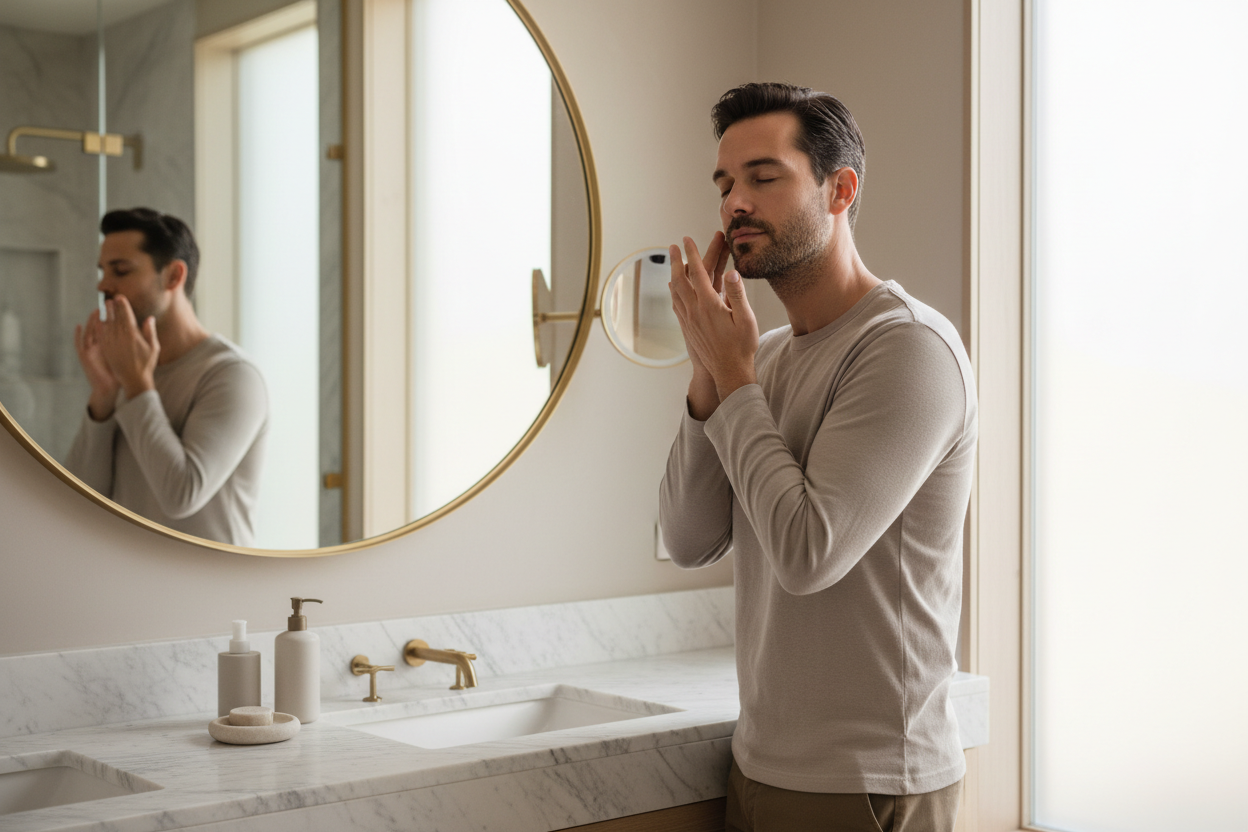
Skincare for Men: The Science-Based No-Nonsense Guide
Think skincare is just for women? Think again.
Men’s skin is biologically different from women’s in several key ways — it’s thicker, produces more oil throughout adulthood, and is subjected to daily shaving stress. Yet men are statistically far less likely to use sunscreen, moisturizer, or any protective skincare at all.
The result? Men tend to show more visible sun damage, develop skin cancers more frequently, and often deal with chronic issues like shaving irritation, ingrown hairs, and seborrheic dermatitis — all of which are preventable with a few consistent habits.
The good news? The routine itself is remarkably simple. No 12-step regimens required. Just an understanding of why men’s skin behaves the way it does, and what to do about it.
Here’s the science — and the solutions.
How Men’s Skin Is Different (The Science)
Dermatologists have identified several key physiological differences between male and female skin. Understanding these is the foundation for building a routine that actually addresses men’s needs.
1. Thicker Skin with More Collagen
Men’s skin is approximately 20–25% thicker than women’s, with larger and more numerous collagen bundles. This structural advantage means men’s skin tends to age later — but when it does, the changes can appear more abrupt. Men are also more prone to prominent forehead wrinkles due to repeated facial expressions combined with thicker tissue dynamics.
2. More Sebum (Oil) Production
Men have larger sebaceous glands and produce significantly more sebum throughout their adult lives, driven by androgen hormones. This excess oil doesn’t decline until around age 40 — meaning men spend decades dealing with oil-related concerns that women may not face to the same degree.
Left on the skin’s surface, excess sebum can oxidize, trigger inflammation, and create a favorable environment for Malassezia yeast overgrowth — the root cause of seborrheic dermatitis and dandruff.
3. Larger Blood Vessels
Men have larger blood vessels coursing through their facial skin to nourish the terminal hairs that make up facial hair. Growing a beard requires significant energy and blood flow. This vascular difference can contribute to facial sensitivity and redness, especially in men with rosacea.
4. Shaving-Related Stress
Daily shaving is a form of mechanical exfoliation that can compromise the skin barrier, leading to post-shave irritation, razor burn, and ingrown hairs. The repeated micro-trauma makes men’s skin more vulnerable to transepidermal water loss and bacterial entry.
5. Less Sun Protection
Perhaps the most significant difference isn’t biological — it’s behavioral. Men are historically much less likely to wear sunscreen consistently. The majority of premature skin aging is caused by unprotected sun exposure, and men consequently show higher rates of skin cancer than women.
The 3-Step Routine Every Man Needs
Despite all these differences, the core routine is the same one dermatologists recommend for everyone: Cleanse, Moisturize, Protect. The key is choosing the right products for men’s specific needs.
Step 1: Cleanse (Ditch the Bar Soap)
Washing your face at least once a day — ideally at the end of the day — removes excess sebum before it can oxidize and cause problems. If you’re still using an old-school bar soap, it’s time to reconsider.
Bar soaps often have a high pH that disrupts the skin barrier’s natural acidic mantle. This makes skin significantly more vulnerable to post-shave irritation, dryness, and transepidermal water loss. A dedicated facial cleanser respects the skin’s pH while effectively removing oil and debris.
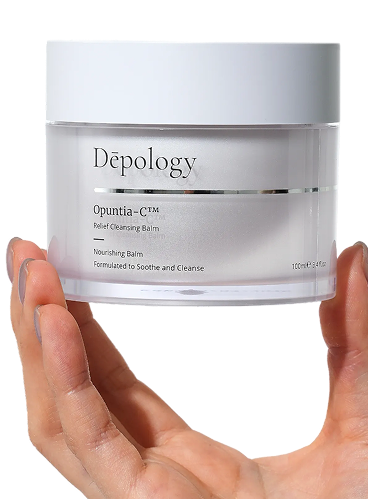
The Depology Solution: The Opuntia-C Relief Cleansing Balm offers a gentle, non-stripping cleanse that dissolves excess sebum and impurities without disrupting the skin barrier. Its opuntia (cactus) extract base provides soothing relief — particularly beneficial for skin that’s already stressed from daily shaving.
Pro Tip: If you struggle with ingrown hairs, look for cleansers containing salicylic acid, which gently exfoliates the skin’s surface to reduce ingrown hair formation.
Step 2: Moisturize (Yes, Even If You’re Oily)
The biggest skincare myth among men: “Moisturizer will clog my pores and make me oily.”
This is exactly backwards. Consistent moisturizing actually reduces pore clogging. Here’s why: when the outermost layer of skin is adequately hydrated, the enzymes responsible for natural cell turnover function properly (they require water to work). Without enough moisture, dead skin cells clump together inside pores, creating blockages that lead to comedones and ingrown hairs.
Moisturizing after shaving is especially important — it addresses the moisture barrier disruption that shaving causes, making it far more effective than traditional alcohol-based aftershaves.
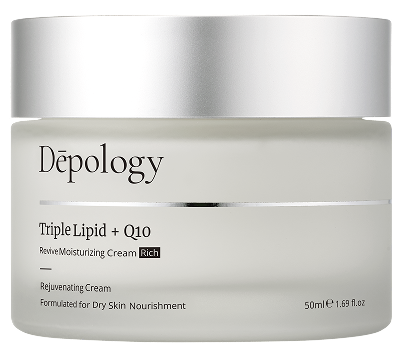
The Depology Solution: The Triple Lipid + Q10 Moisturizing Treatment RICH is engineered to rebuild the lipid barrier — exactly what skin needs post-shave. With a triple-lipid complex (ceramides, cholesterol, fatty acids) plus Coenzyme Q10, it replenishes what shaving strips away, helping skin stay hydrated, calm, and resilient.
Pro Tip: Apply moisturizer immediately after patting your face dry — this is the prime window to lock in moisture and minimize transepidermal water loss. At night, moisturizing is especially effective because skin naturally loses more water during sleep.
Step 3: Sunscreen (The Single Best Anti-Aging Product)
If there’s one step that makes the biggest long-term difference, it’s this one. Daily sunscreen use is arguably the most research-backed anti-aging intervention available — more effective than any serum, cream, or supplement.
For men, gel or gel-cream chemical sunscreens are ideal. They blend easily into hair-bearing areas (beard, mustache) without leaving the chalky white residue that mineral sunscreens leave on hair. They also dry down faster, feel less heavy, and allow sweat to evaporate — meaning you’re more likely to actually use the correct amount consistently.
Aim for SPF 30 or higher, applied every morning. If you work outdoors or play sports, choose a water-resistant formula and reapply every 2 hours.
Beyond the Basics — Anti-Aging Add-Ons for Men
Once the 3-step foundation is solid, you may want to explore active ingredients that target specific concerns. Here’s what the science supports.
Retinoids: The Gold Standard for Renewal
Topical vitamin A derivatives — including retinol, retinaldehyde, and prescription retinoids — are the most well-researched anti-aging ingredients available. They improve collagen production, accelerate cell turnover, and help reduce the appearance of fine lines and uneven texture.
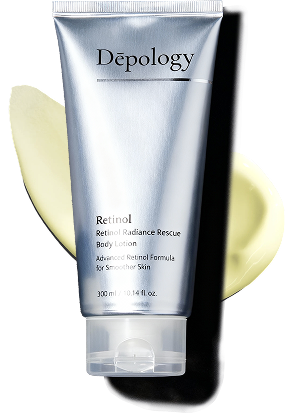
For men who want body-specific anti-aging, the Retinol Radiance Rescue Body Lotion brings retinol benefits to the neck, chest, and body — areas men frequently neglect but that show visible signs of aging and sun damage.
Important: Retinol can be irritating at first. Start with 2–3 nights per week and gradually increase frequency. If you have rosacea or sensitive skin, introduce retinoids slowly and conservatively.
Niacinamide: The Underrated Multitasker
While Vitamin C gets the spotlight, niacinamide (Vitamin B3) is the ingredient dermatologists consistently praise for its versatility. It’s stable, penetrates the skin effectively, and has solid clinical evidence for:
- Reducing redness and inflammation
- Improving the appearance of dark spots
- Supporting the moisture barrier
- Regulating sebum production
Unlike Vitamin C, which has notorious formulation stability issues, niacinamide is reliable — and it’s already included in many well-formulated moisturizers and sunscreens. You may already be getting its benefits without adding a separate product.
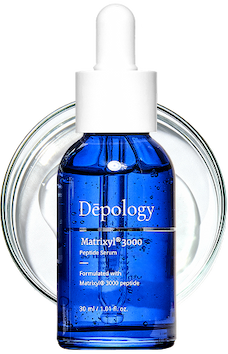
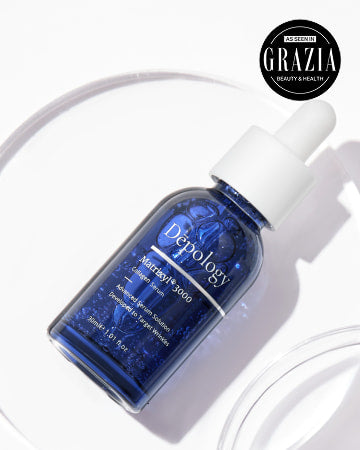
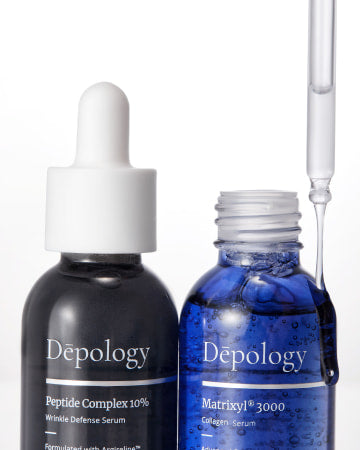
For a comprehensive collagen-boosting step, the Matrixyl® 3000 Collagen Serum pairs perfectly with niacinamide in your routine — it signals skin cells to produce more collagen, helping to maintain firmness and elasticity in thicker male skin.
Common Men’s Skin Conditions (And What to Do)
Seborrheic Dermatitis
If you get flaky, red, irritated patches around your brows, nose, or beard area — it’s not “dry skin.” It’s likely seborrheic dermatitis, caused by excess sebum feeding Malassezia yeast overgrowth. It’s the same condition as dandruff, just on the face.
What helps: Anti-dandruff shampoos containing ketoconazole, zinc pyrithione, selenium sulfide, or salicylic acid. You can use these as a facial wash in problem areas 2–3 times per week. If it persists, see a board-certified dermatologist — prescription topicals can manage it effectively.
Rosacea
Men with rosacea experience flushing, redness, visible blood vessels, and acne-like bumps. Because men already have larger blood vessels in their facial skin, rosacea can be particularly prominent.
What helps: Stick to gentle, fragrance-free products. Be cautious with exfoliating acids and retinoids — introduce them slowly. Some people with rosacea find chemical sunscreens sting, so a mineral or hybrid formula may be better. Look for moisturizers with niacinamide or licorice root to help calm redness.
Ingrown Hairs & Shaving Irritation
What helps:
- Always shave on wet skin with a hydrating shave cream
- Use short strokes in the direction of hair growth
- Don’t stretch the skin or press too hard
- Use a sharp blade (don’t store it in the shower)
- Consider a single-blade razor if you get frequent irritation
- Use salicylic acid products to gently exfoliate and prevent ingrown formation
- For inflamed ingrowns, a 2.5% benzoyl peroxide spot treatment can help (but beware: it will bleach fabric)
Frequently Asked Questions
Do men really need a different skincare routine than women?
The routine structure is the same — cleanse, moisturize, sunscreen. But men’s skin is thicker, oilier, and subjected to shaving stress, so the product choices matter. Gel moisturizers, chemical sunscreens, and barrier-repairing ingredients are especially relevant for men.
Is it okay to use moisturizer if I have oily skin?
Yes. In fact, skipping moisturizer can make oily skin worse. When skin is dehydrated, it compensates by producing more oil. A lightweight gel moisturizer hydrates without heaviness and actually helps regulate oil production over time.
What’s the single most important skincare step for men?
Sunscreen. The majority of visible skin aging — wrinkles, dark spots, rough texture — is caused by unprotected sun exposure. A daily SPF 30+ habit is the most effective anti-aging investment you can make.
Can I use retinol if I shave every day?
Yes, but apply it at night (after cleansing, before moisturizer) and avoid applying it immediately after shaving when skin is irritated. Start with 2–3 nights per week and build tolerance gradually.
Simple Science, Real Results
Here’s the truth that the entire skincare industry doesn’t want you to know: the most effective men’s skincare routine is also the simplest.
Cleanse to remove excess oil. Moisturize to support the barrier. Protect with sunscreen daily. That’s 80% of the results right there.
The remaining 20% — retinoids, niacinamide, targeted treatments — is where you can customize based on your specific concerns. But without the foundation, no amount of expensive serums will make a difference.
Men’s skin may be different, but the science is universal: consistent, barrier-respecting habits outperform complicated regimens every time.
Shop Depology’s Science-Backed Essentials
Disclaimer: Individual results may vary. This content is for educational purposes and does not replace professional medical advice. Always consult a board-certified dermatologist for persistent skin conditions.