



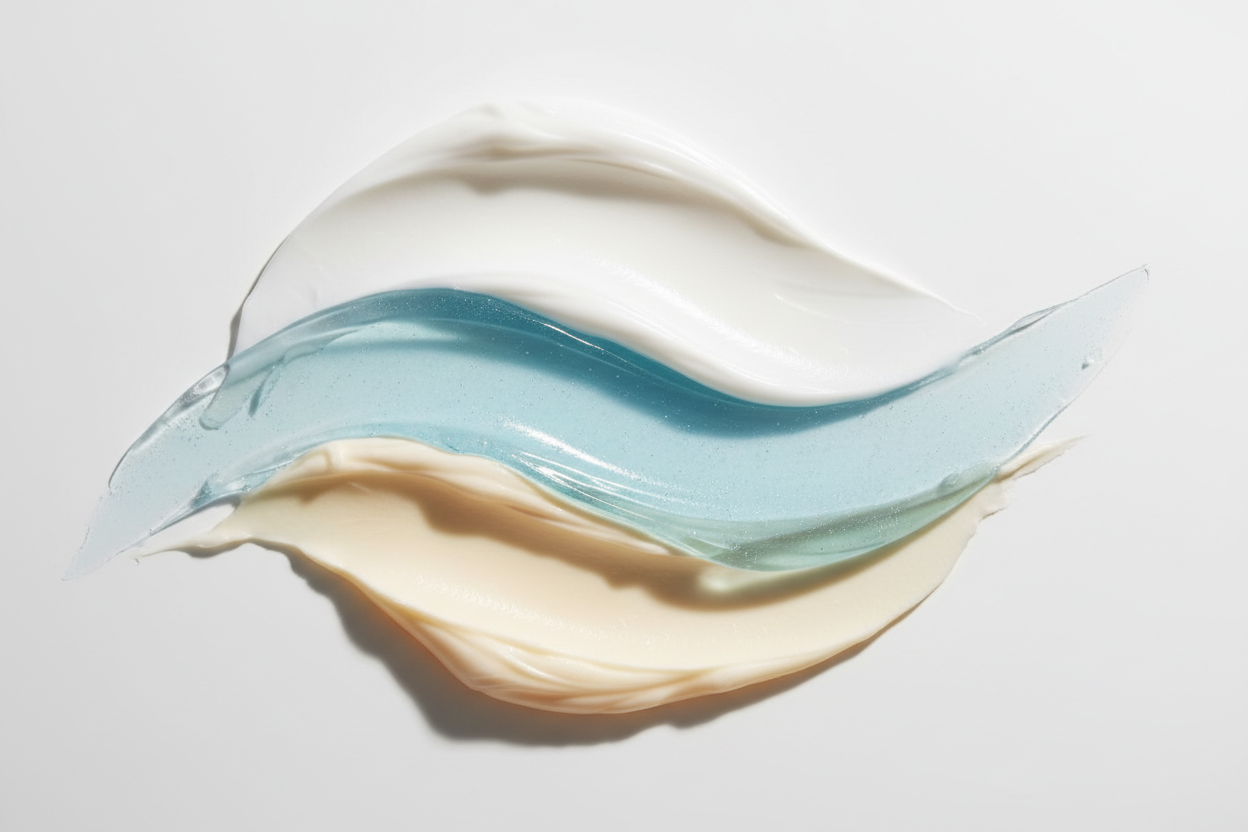
Retinol Sandwich Method Guide: How to Layer for Winter Skincare
Is Winter Ruining Your Retinol Routine?
It’s a common scenario: You’ve spent months building up your skin’s tolerance to Retinol, seeing smoother texture and diminished fine lines. Then, January hits. The humidity drops, the central heating kicks on, and suddenly, your trusty holy-grail serum starts to sting.
The instinctive reaction is to press pause. To shelf the actives until spring.
But dermatologists warn that stopping completely can set you back, forcing you to go through the "retinization" process (the peeling and purging phase) all over again when you restart.
The solution isn't to stop. It’s to buffer.
The Science of Buffering: Why Layering Works
You may have heard of the "Sandwich Method" on social media. While it sounds like a kitchen hack, the principle behind it is pure dermatology: Controlled Release.
When you apply Retinol directly to dry, winter-shocked skin, it absorbs rapidly, which can trigger an immediate inflammatory response. By placing your active ingredient between layers of hydration, you aren't diluting its long-term effectiveness, you are managing its rate of absorption.
Think of it as a time-release mechanism. The Retinol still reaches the deeper layers of your dermis where collagen production happens, but it gets there slower, and with a safety net.
The Protocol: Your 3-Step Winter Layering Guide
Here is the exact protocol we recommend to keep your anti-aging results consistent, even when it’s freezing outside.

Step 1: The Buffer (Base Layer)
The Goal: Prime and Protect.
After cleansing, do not apply Retinol immediately. Instead, apply a thin, even layer of a peptide-rich moisturizer.
This initial layer acts as a "hydrating net." It saturates the skin's surface, ensuring that the barrier is intact before any active ingredients touch it.
We Recommend:

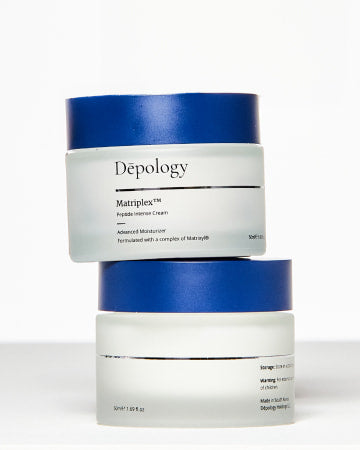
[Matriplex™ Peptide Intense Cream]
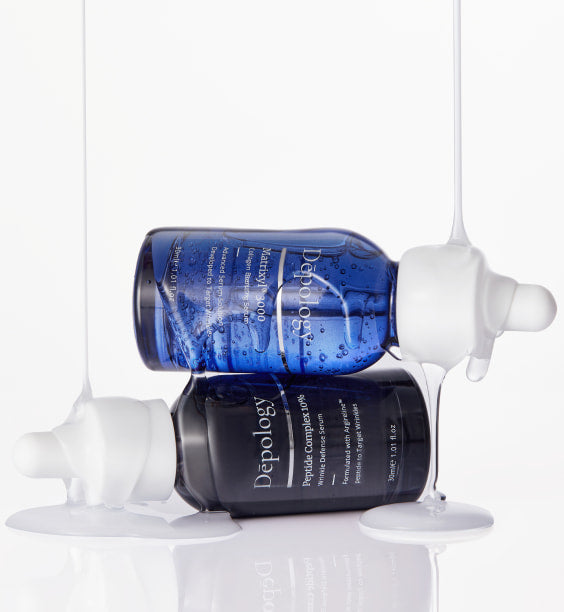
Why? It’s not just a basic moisturizer. It contains Matrixyl® 3000, which signals collagen production on its own. By using this as your base, you are starting your anti-aging work before the Retinol even touches your face.
Step 2: The Active (Core Layer)
The Goal: Correct and Renew.
Once your base layer has settled (give it about 60 seconds), apply a pea-sized amount of your Retinol.
Because you have a buffer, you can continue to use effective concentrations (like 0.5% or higher) without the usual risk of irritation. This layer works to accelerate cell turnover, unclog pores, and smooth texture.
We Recommend:

[Anti-Aging Retinol Night Cream]
Formulated to be gentle yet effective, this cream is designed to sit perfectly in a layered routine without pilling.
Step 3: The Seal (Top Layer)
The Goal: Lock and Soothe.
This is the step most people skip, but it is crucial in winter. Apply a final, generous layer of moisturizer over your Retinol.
This "seal" traps the moisture and the active ingredients into the skin, preventing Transepidermal Water Loss (TEWL)—the primary cause of that tight, itchy feeling you get in winter.
We Recommend:
[Matriplex™ Peptide Intense Cream]
Yes, use the same cream again. Its rich texture makes it an ideal occlusive layer to finish your routine.
FAQ: Mastering the Winter Protocol
Q: Will buffering make my Retinol less effective?
A: Minimally, but in a good way. It slightly slows down absorption, which significantly reduces irritation. Consistency beats intensity—using Retinol buffered every night is better for your skin than using it full-strength once a week and damaging your barrier.
Q: Can I use this method with other actives like Vitamin C?
A: This layering protocol is specifically designed for Retinoids (Retinol, Retinal, Tretinoin) at night. Vitamin C is best kept for your morning routine.
Q: How long should I wait between layers?
A: You don't need to wait 20 minutes. Just 30-60 seconds is enough for each layer to "set" so they don't mix together into a messy paste on your face.
Winter doesn't mean you have to sacrifice your skin goals. By adopting the Buffer Protocol, you transform a potentially irritating step into a nourishing ritual. Your skin barrier stays happy, and you wake up glowing—not flaky.