

Hyperpigmentation vs Freckles
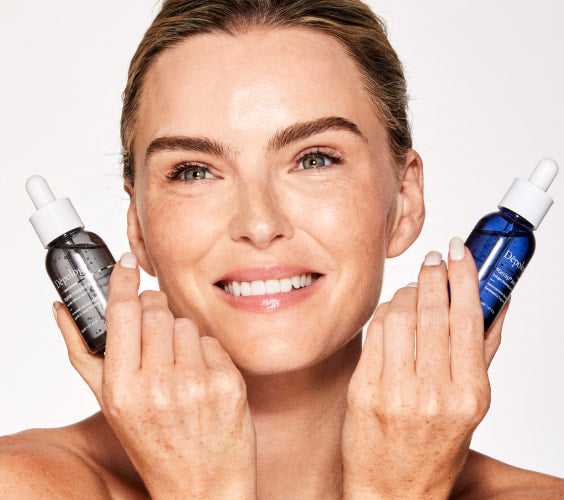
Freckles are a common skin pigmentation. Though everybody knows what they are, those with freckles only make up roughly 4–5% of the global population. Your friends and family have them. Lucy Liu and Emma Stone have them. Freckles are nothing to think about.
There are certain situations where they could be an ordinary freckle or something that requires medical attention. Fortunately, there are several ways to determine whether those spots on your skin require an upstep in your skincare routine or a visit to the doctor.
Types of Skin Conditions
There are many types of skin pigmentations commonly found in the general public. As we get older, it is possible for these pigmentations to develop into skin conditions, some more serious than others.
- Freckles
The most well-known skin pigmentations are freckles. Those with freckles may also have red hair and pale skin that burns easier in sunlight. Most people can distinguish these pale-to-dark brown spots with no distinct border.
Freckles result from an overproduction of melanin by melanocytes. They often form from UV exposure—appearing in summer months and fading in winter.
Did you know there are actually different types of freckles? “Ephelides” (lighter brown, fade over time) and “lentigines” (darker, more permanent).
- Solar Lentigo
Sometimes, as we age, freckles evolve into solar lentigo. These flat brown marks don’t fade in winter and are not cancerous.
They commonly appear on forearms, hands, shoulders, and face. If they appear later in life, it could be linked to excessive sun exposure or childhood sunburns.
Prevention includes limiting sunlight, using sunscreen, and wearing SPF-protected clothing.
- Melanoma
Melanoma is more serious and requires medical attention. “Lentigo maligna” is a type of skin cancer that appears as a flat brown/black lesion with an irregular shape, growing slowly over time.
They often occur on the face, neck, and forearms. See a doctor if you notice a brown spot with multiple colors.
- Melasma
Melasma often occurs from frequent tanning or strong sun reactions. It looks like olive-toned large dark patches.
These mask-like patches appear on the cheeks, temples, forehead, and above the upper lip. Sometimes referred to as a “pregnancy mask.”
- Post-Inflammatory Hyperpigmentation
Post-inflammatory hyperpigmentation occurs commonly in darker skin tones. It shows up as brown patches triggered by inflammation such as acne, eczema, or trauma.
This pigmentation is often in the epidermis (the outermost layer), making it easier to treat.
In some cases, it moves into the papillary dermis and requires more advanced treatment.
How to Treat the Skin
Now that you understand the difference between freckles and more serious conditions, how can you treat them?
Avoid sunbathing and tanning beds, especially with sensitive skin. If you’ll be outdoors for long periods, use SPF 50+ sunscreen.
Vitamin D supplements may help in areas with less sunlight, such as the UK or the Pacific Northwest.
Dermatologists may treat freckles and solar lentigines with chemical peels, cryotherapy, laser treatments, or lightening creams.
For hyperpigmentation, retinoic acid increases cell turnover, reducing melanin production and freckles.
Chemical peels are done in series (3–4 sessions), with 2–5 days of peeling between sessions. Always consult your dermatologist.
IPL (intense pulsed light) has become increasingly popular to treat hyperpigmentation by improving skin color and texture and reversing sun damage.
Multiple sessions may be needed. Full results can take a year, with optional maintenance sessions.
Conclusion: Hyperpigmentation vs Freckles
If you want to reduce the appearance of pigmented spots or explore potential treatments, consult a dermatologist. Some marks may indicate serious conditions like skin cancer. If something doesn’t look right, always seek professional advice.
Whether you're treating or embracing your freckles, remember— it's makeup before sunscreen!