


Can You Use Hyaluronic Acid With Retinol?
Are you wondering how to incorporate hyaluronic acid and retinol into your daily routine? Do you want to learn whether using these products simultaneously is safe? You are in the right place. Read on to learn how to maximize the effectiveness of hyaluronic acid and retinol now.
What Is Hyaluronic Acid?
Hyaluronic acid is a jelly-like substance naturally produced by the human body, usually in the skin, joints, and eyes. It is a polymer—a type of molecule that allows other compounds such as water to attach to its chain-shaped structure.
A single teaspoon of hyaluronic acid can hold over four gallons of water, making it ideal for moisture absorption and retention. This is why it is commonly used in skincare products designed to hydrate and plump the skin.
The body traps and stores the acid, allowing attached water molecules to absorb into the skin rather than evaporate.
What Are the Benefits of Hyaluronic Acid?
Hyaluronic acid is widely used in moisturizing skincare such as serums, eye creams, lip balms, body lotions, and even shampoo. Its benefits include:
- Hydration: Hyaluronic acid traps and stores water, slowly infusing moisture into skin cells.
- Brightening: Hydrated skin appears fuller, plumper, and more radiant.
- Smoothing: Increased moisture helps skin look firmer with fewer visible wrinkles.
How Does Hyaluronic Acid Work?
Hyaluronic acid molecules are polymers shaped like long chains. Each “link” creates a space for water or collagen to attach, allowing the molecule to hold over 1,000 times its weight in water.
This water is absorbed deep into the skin’s matrix, keeping skin moisturized and glowing rather than drying out.
Where Does Hyaluronic Acid Fit Into My Skincare Routine?
Because it is gentle and effective, hyaluronic acid fits easily into most skincare routines. It is available in serums, supplements, moisturizers, eye drops, and more.
However, the delivery method matters—products that penetrate deeper are more effective. Cleanse thoroughly before application.
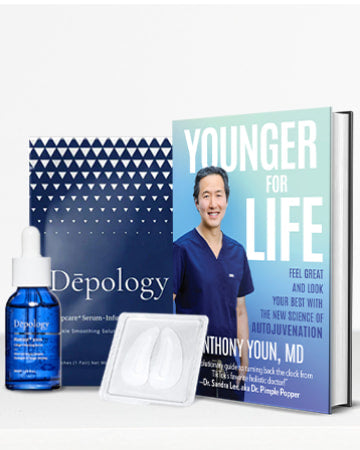
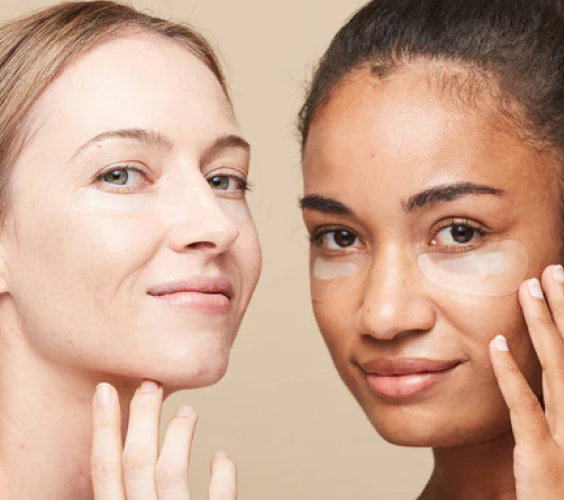
Dēpology’s hyaluronic acid-infused Deepcare+ Micro-Dart Patches create tiny channels in the skin to deliver hyaluronic acid into deeper layers.
Should You Use Hyaluronic Acid?
Hyaluronic acid is safe, gentle, and effective—making it a great addition to any skincare routine. It helps hydrate, brighten, and plump the skin with minimal risk of irritation.
What Is Retinol?
Retinol is a vitamin A derivative found in many anti-aging skincare products. It speeds up the turnover of dead skin cells, resulting in brighter, younger-looking skin.
It also helps lighten acne scars and dark spots caused by sun damage or aging.
Benefits of Retinol
Retinol is one of the most effective skincare ingredients available. Benefits include:
- Brighter, more radiant-looking skin
- Reduced appearance of fine lines and wrinkles
- Lightening of dark spots caused by melasma or sun damage
- Smoother and softer skin texture
What To Look For When Buying Retinol
Choose a high-quality retinol formulation with a concentration of 0.2% or higher.
Dēpology’s Anti Aging Retinol Night Cream is formulated by scientists to be effective and safe for all skin types.
Why Use Retinol?
As we age, cell turnover slows, leading to dullness, wrinkles, dark spots, and uneven texture. Retinol helps by removing dead skin cells and stimulating new cell growth.
Who Should Use Retinol?
Retinol is ideal for those with aging, dull, or sun-damaged skin. It is also beneficial for improving acne scars.
When Should You Avoid Retinol?
Retinol should be avoided if you:
- Are pregnant or nursing
- Have rosacea, eczema, or highly sensitive skin
- Spend long hours in the sun without protection
Retinol commonly causes temporary sensitivity when starting, and it should not be mixed with vitamin C or other strong acids to avoid irritation.
Where Does Retinol Fit In Your Skincare Routine?
Retinol must be used at night because sunlight breaks down vitamin A. Apply it after cleansing (and serum) but before moisturizer.
Start with 0.2% a few times per week and work up as your skin adjusts.
Retinol and Hyaluronic Acid: Safe?
Yes — these ingredients are safe together and highly complementary. Hyaluronic acid helps offset dryness and irritation caused by retinol.
What Are the Benefits of Retinol and Hyaluronic Acid Together?
Hyaluronic acid helps hydrate and soothe the skin, reducing common retinol side effects like irritation and dryness.
It also increases skin permeability, helping retinol absorb more effectively.
So, Should I Be Using This Combo Daily?
Absolutely. When paired together, these two ingredients create a powerful anti-aging combination that improves hydration, smoothness, and brightness.
Discover Dēpology’s full collection to build a highly effective routine with hyaluronic acid and retinol.